Case Study
Pond Patrol
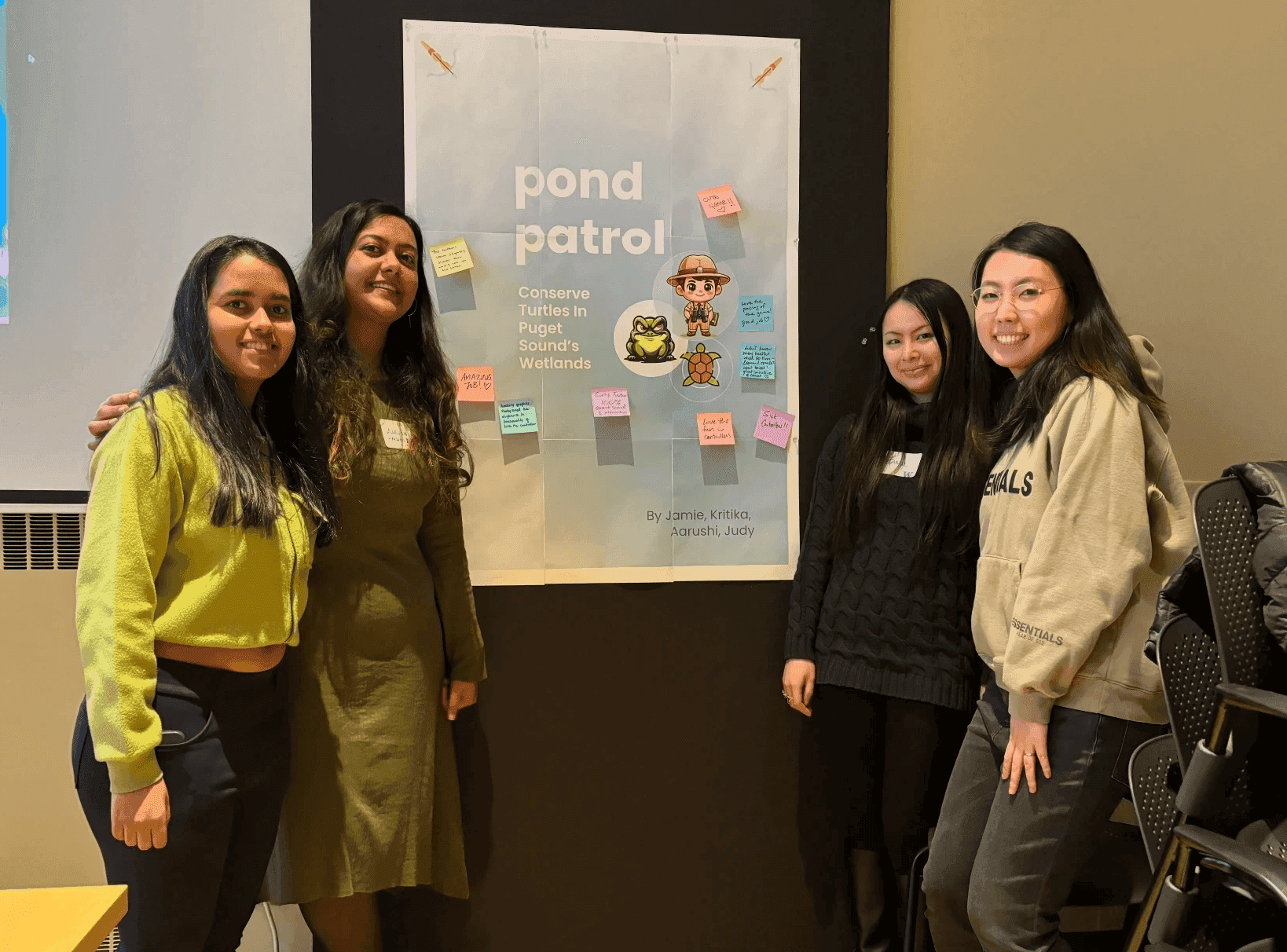
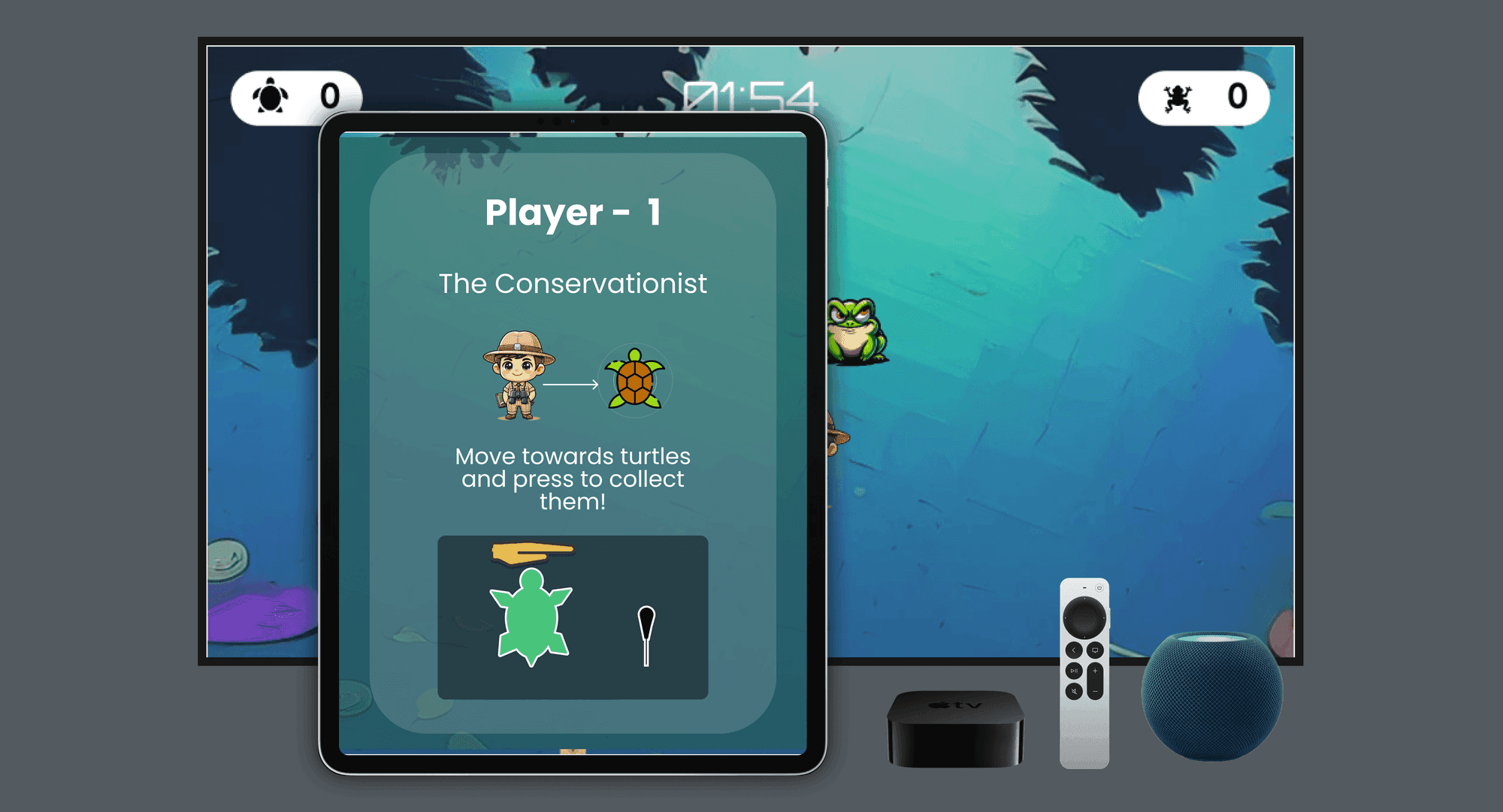
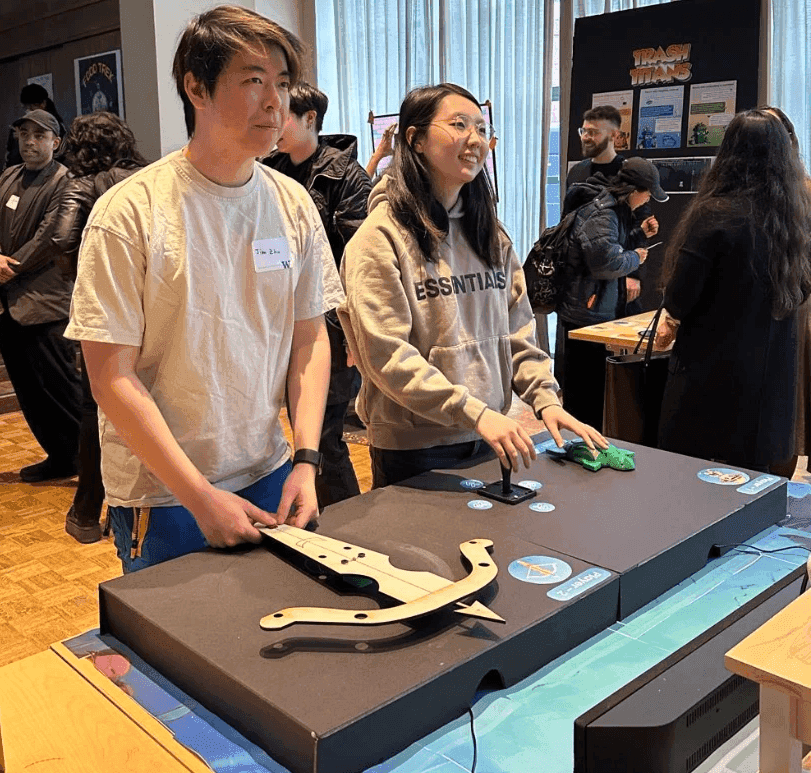
A multiplayer walk-up-and-play game that raised awareness about protecting local wetland ecosystems — projected on a large screen, played with three custom-built controllers, and showcased in a public exhibit where players left more informed about the cause.
- Team
- Graduate school project, 4 students
- My Role
- Research, Concept, Game Design, Coding, Prototyping, Video Editing
- Timeline
- Jan – Mar 2024 (8 weeks)
- Tools
- Figma, Adobe Illustrator, P5JS, MakeCode, CPX, ChatGPT, Eleven Labs, 3D Printing, Laser Cutting
Process
ResearchUN sustainable goals, the local Pacific Northwest ecosystem, and facilitated Wizard of Oz user testingConceptLed the ideation workshops, storyboarding, and video prototypesGame DesignPlayed a pivotal role in the evolution of game design iterations and the final prototypeCodingSupported early game coding, algorithm, and controller wiring processPrototypeCustom controller prototyping and final showcase set-upThe Brief
As museums transition from rigid exhibition spaces to hubs of interactive engagement, our team was tasked with designing a multiplayer walk-up-and-play experience for natural science museums.
The goal: develop an engaging video game to raise awareness about a local social cause for public display within 8 weeks.
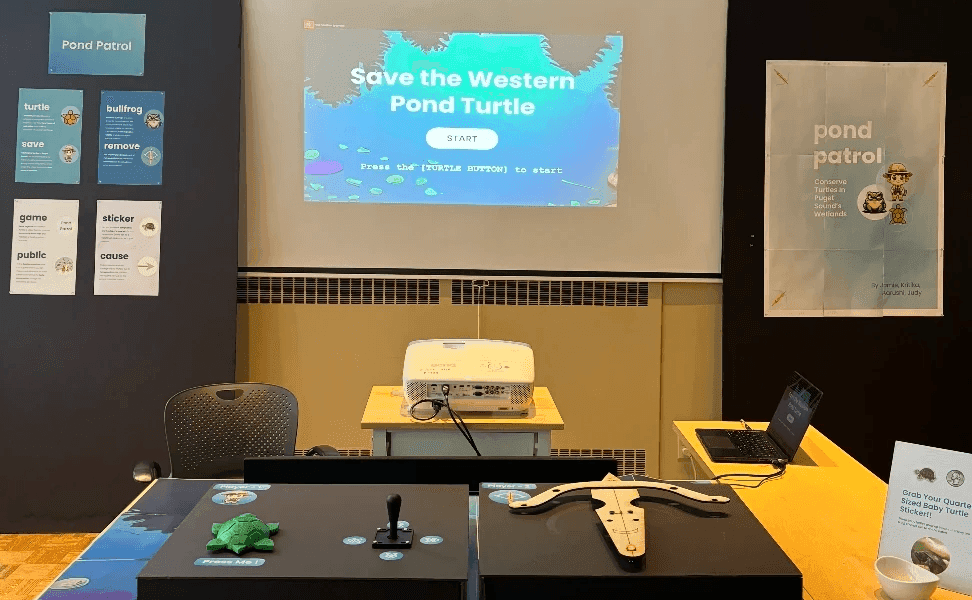
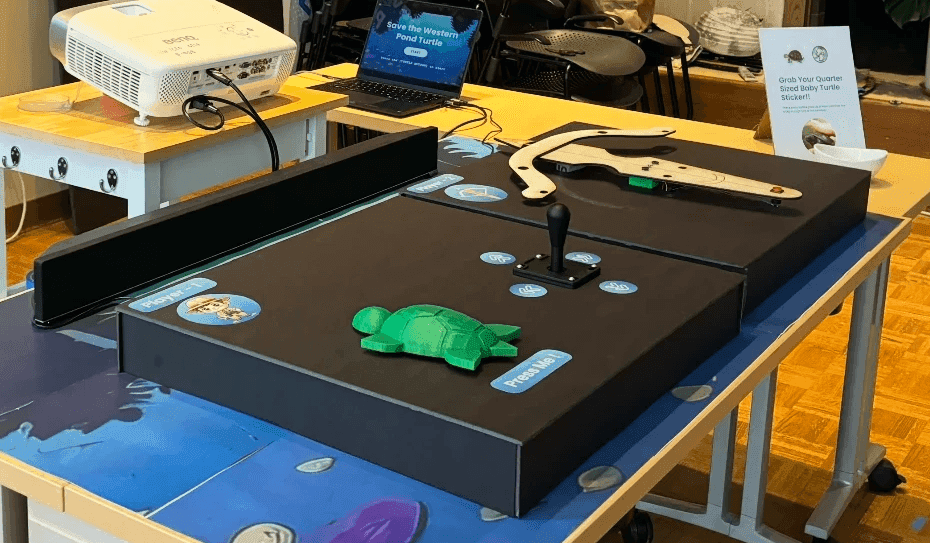
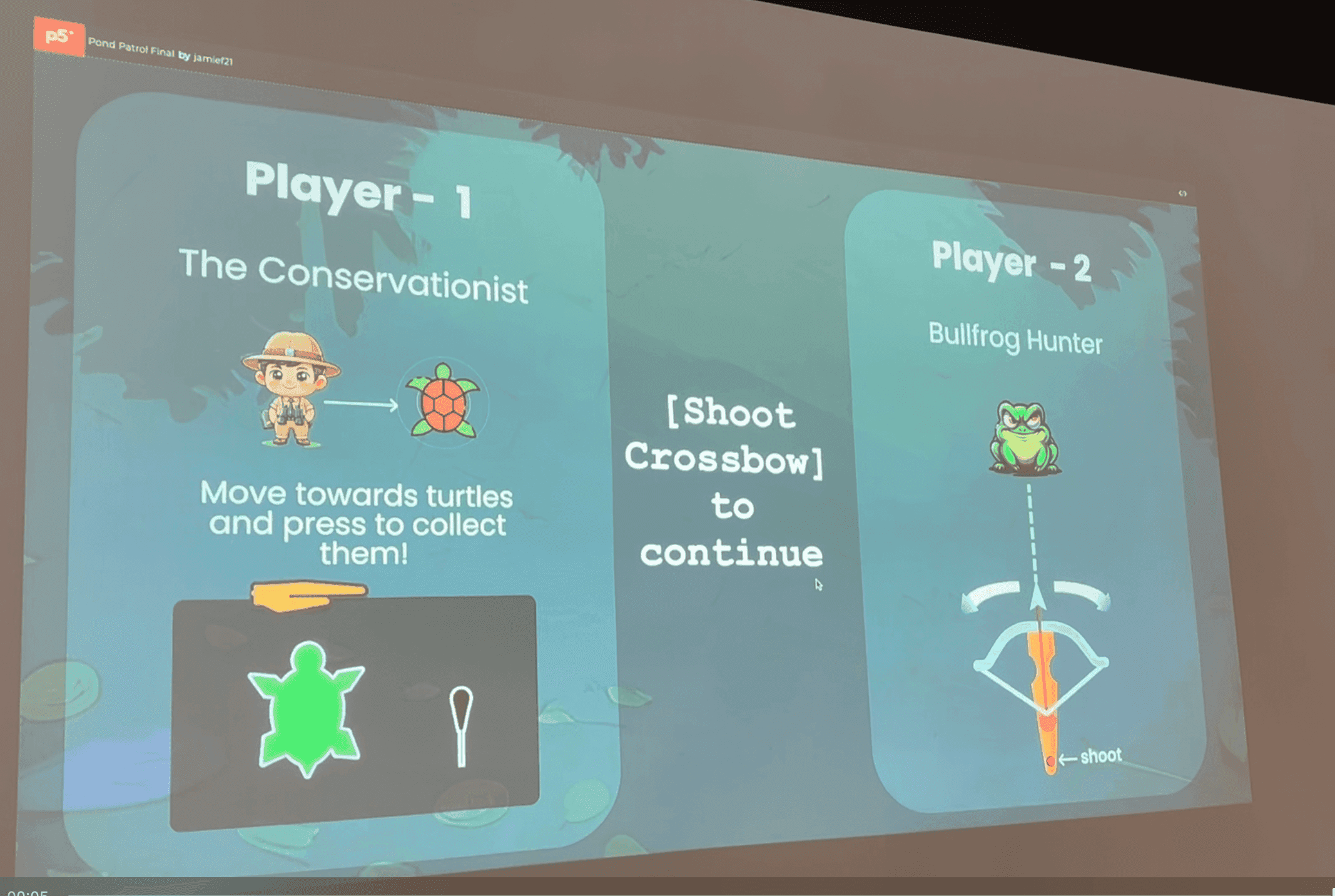
SOLUTION PART IThe gameplay involving one player aiming at the bullfrogs and other to collect frogs for conservation.SOLUTION PART IIThe game setup with the screen, custom controllers and giveaway items for the final public showcase - designed to be installed in public spaces.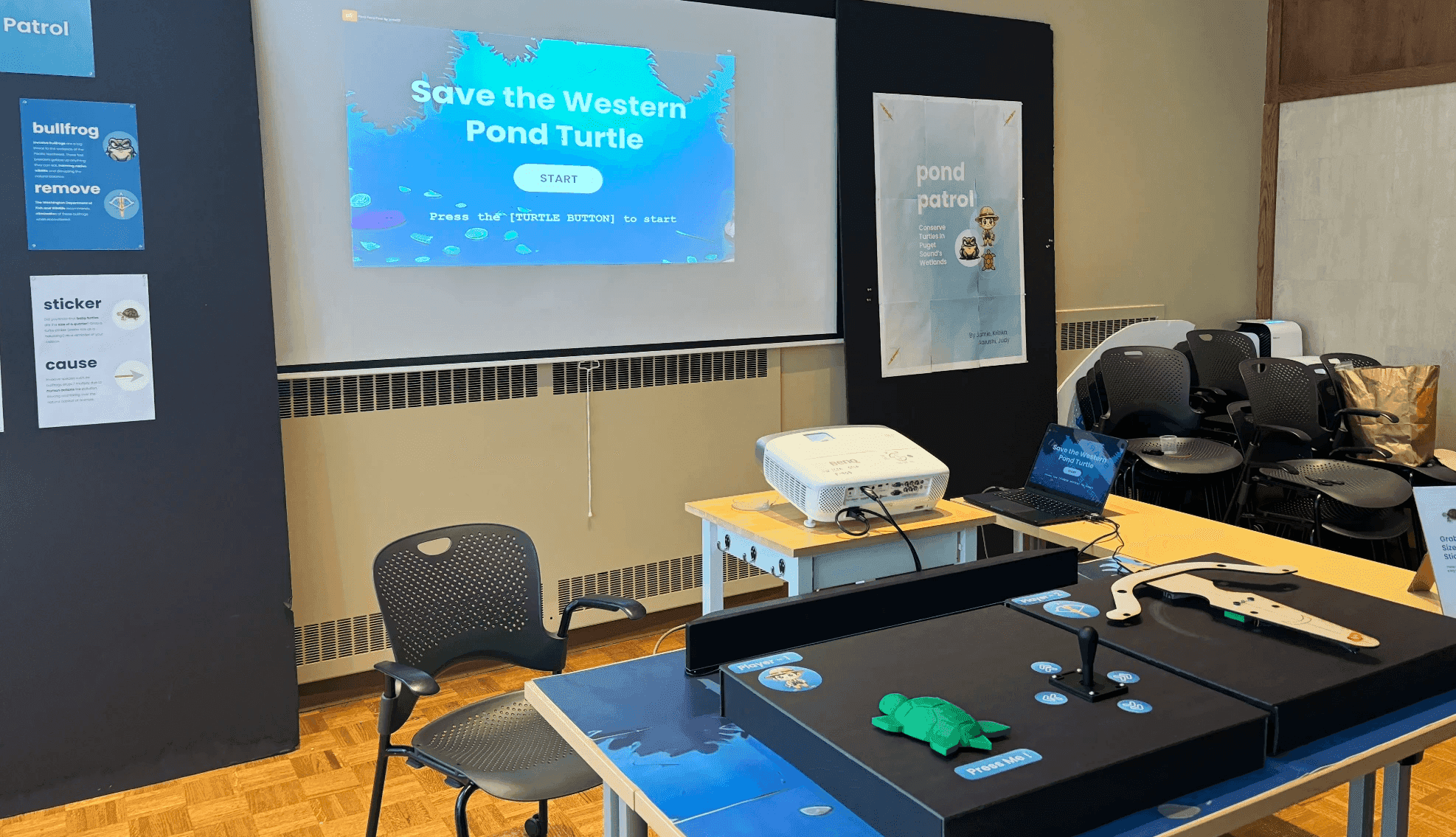
Why is this important?
The western pond turtle population in Washington state's Puget Sound is declining due to the predatory threat of invasive bullfrogs, endangering the delicate wetland ecosystem. This is an opportunity to educate the public about conserving the delicate Washington wetland ecosystem.
150The number of western pond turtles left in Washington in 1993, on the verge of extinction. The number increaser to 1500 a decade later needing dire conservation efforts.1 inchThe size of a baby turtle snacked on by invasive bullfrog species, the main predator whose overpopulation has been the main cause for turtle endangerment.Topic searching and ideation
The team generated 24 initial walk-up-and-play concepts addressing different environmental awareness topics. Sketches were developed for peer critique and feedback rounds, eventually narrowing to 12 ideas.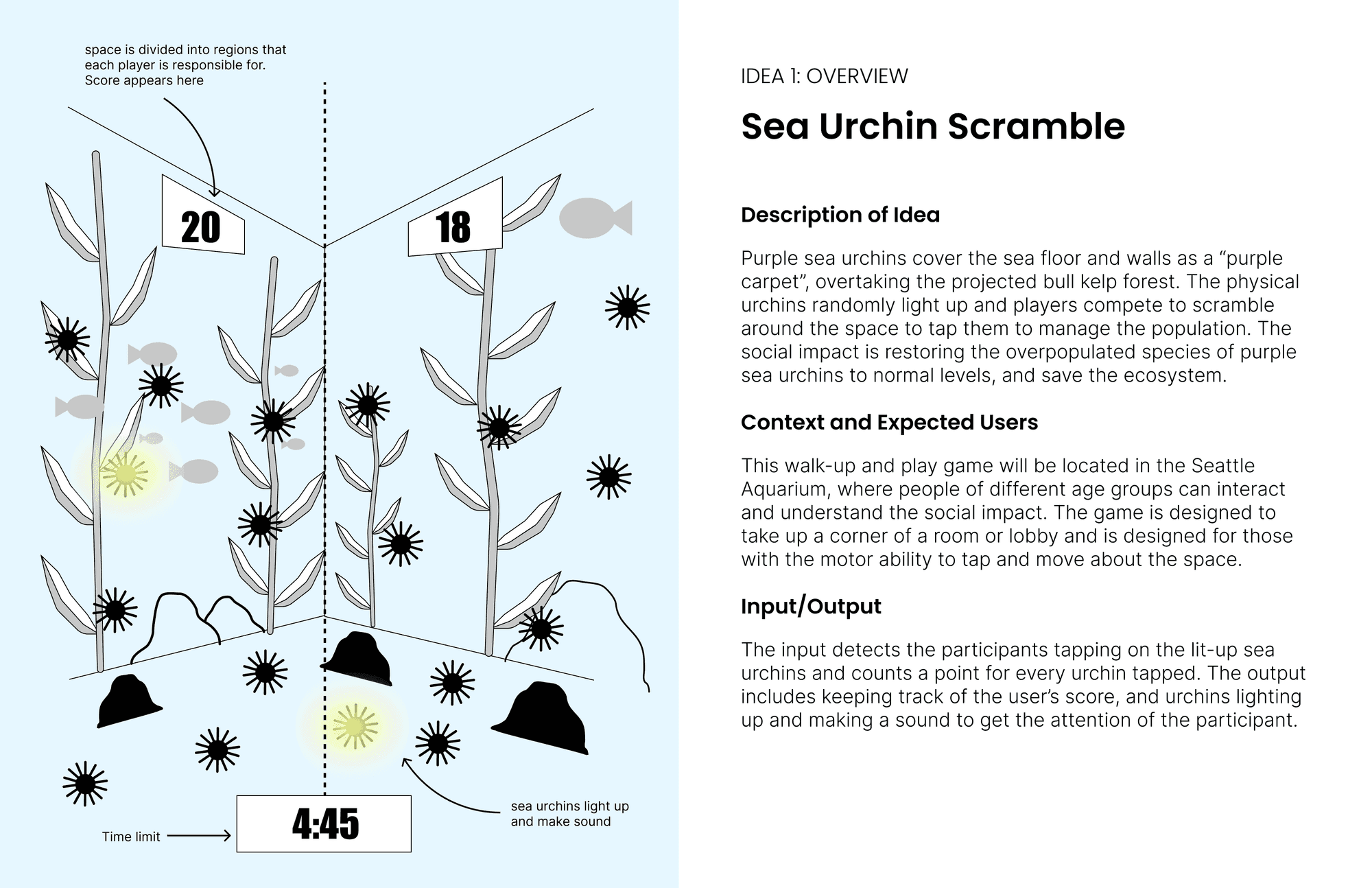
Round-robin critique to rule out the obvious ideas.
I developed sketches during the initial brainstorm for peer critique to lead us to further down selection. After down-selecting to 12, we went through rounds of rapid peer review sessions to glean initial feedback.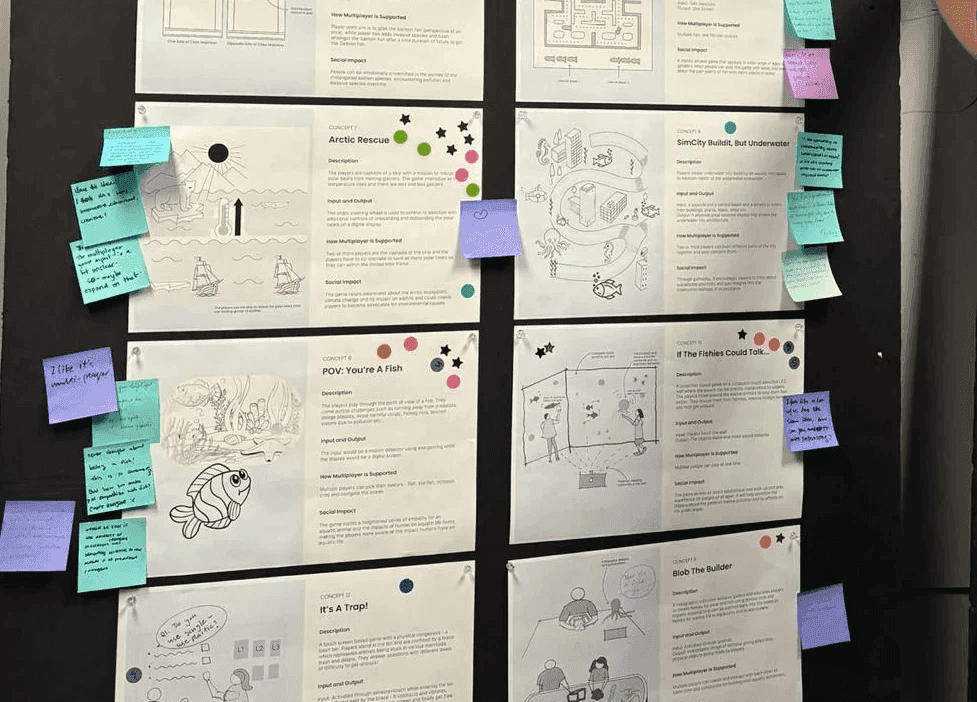
Design principles
After consolidating the feedback, the team regrouped and established the following design principles which guided the narrowing down of the two most popular and creative ideas.
01Creative Whimsy and PlayThe game is infused with humor and fun elements to keep it entertaining.02Affordability and UsabilityThe game ensures that objectives and mechanics are easy to understand by players.03Positive ReinforcementThe game provides encouraging feedback and learning to keep players motivated.04Collaborative GameplayThe game encourages teamwork and interaction among players.Storyboarding and Video Prototyping
We wanted to test out the key interactions of the two selected ideas with a focus on core mechanics and social impact. We first storyboarded the ideas and used stop motion and green screen techniques to put them in motion. The video prototypes allowed us to better understand the ideas in a storytelling format.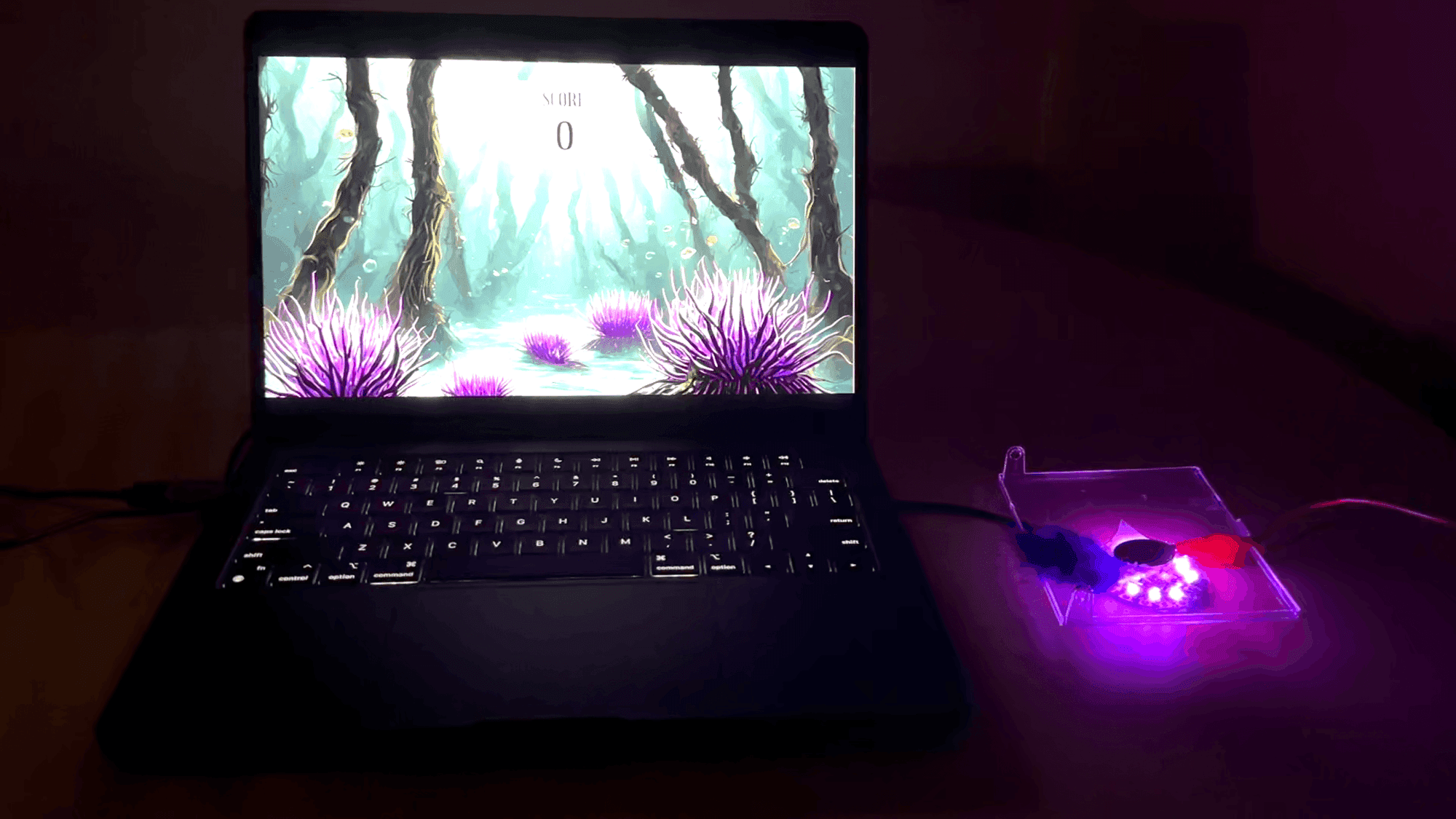 Input Controller Overview: Capacitive Touch
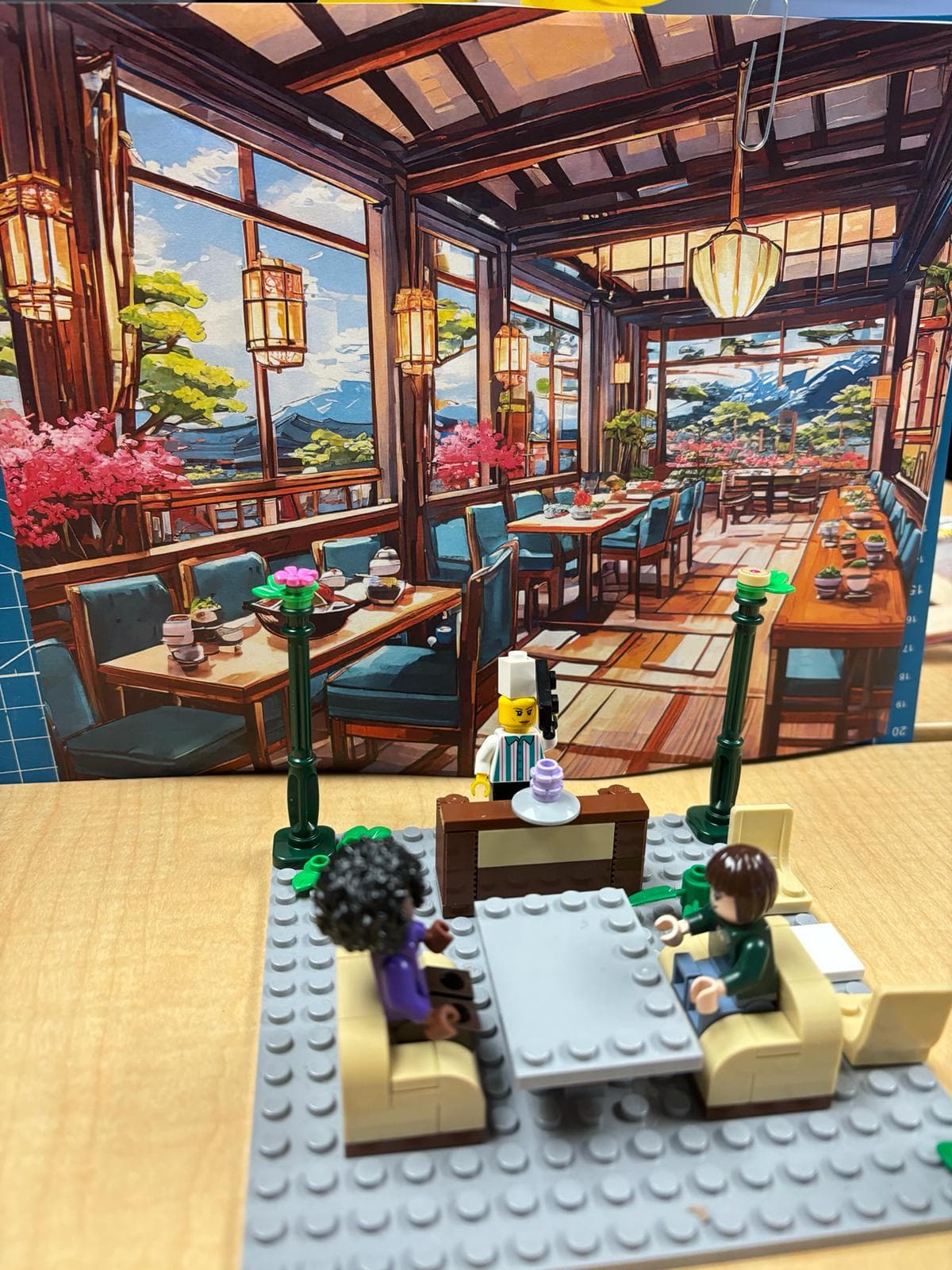 Ideation: Sea Urchin ScrambleBodystorming: Acting out interaction sequences gave us firsthand insight into gameplay mechanics and the technical implementations they'd require.
Wizard of Oz testing
Before moving onto implementation, we wanted to test out the interaction with Wizard-of-Oz techniques. The goal was to evaluate the learnability of the mechanics, observe how players collaborate and strategize, and compare the effectiveness of the two options for our input method.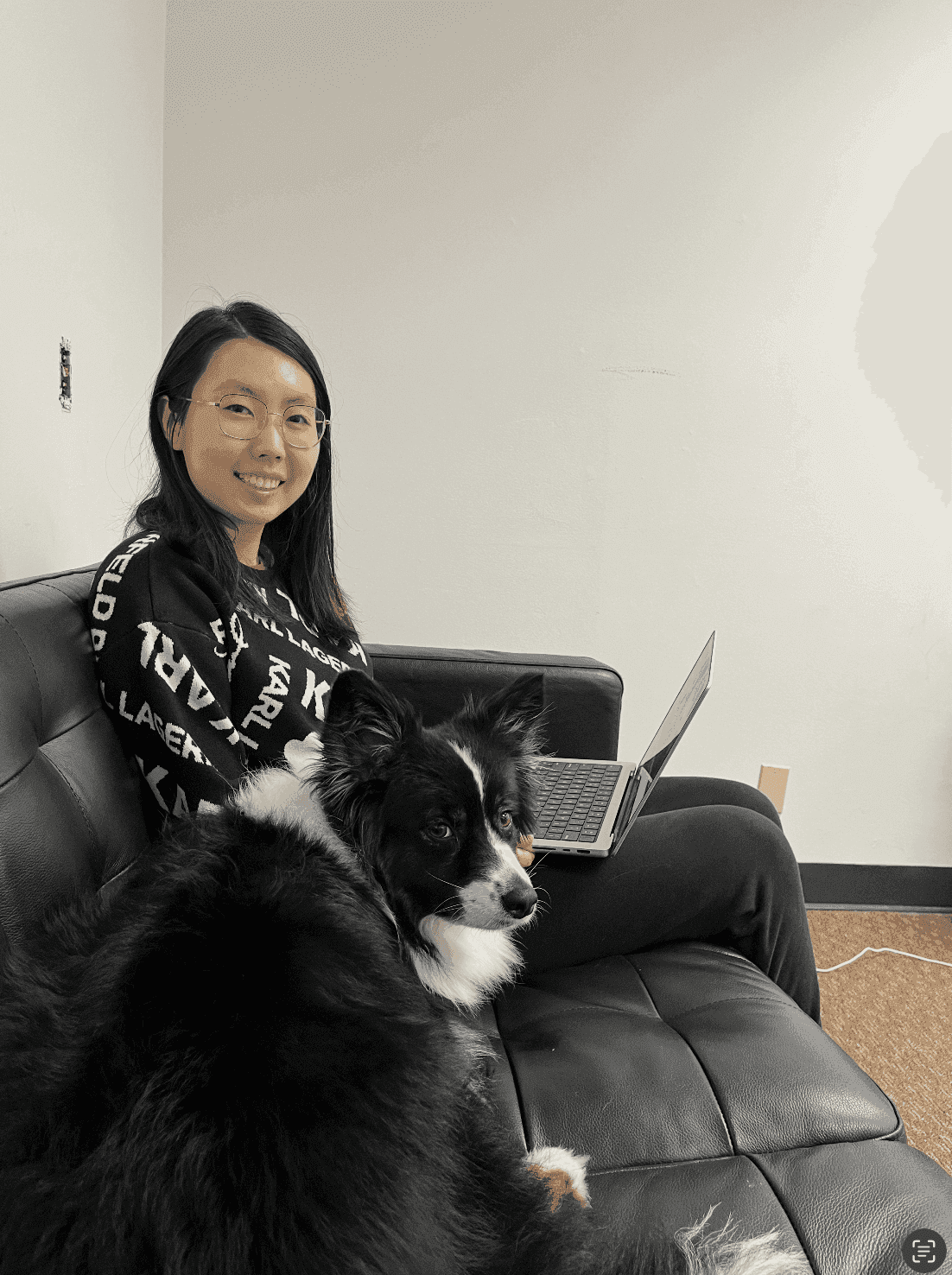 Working on research study plan and facilitation script
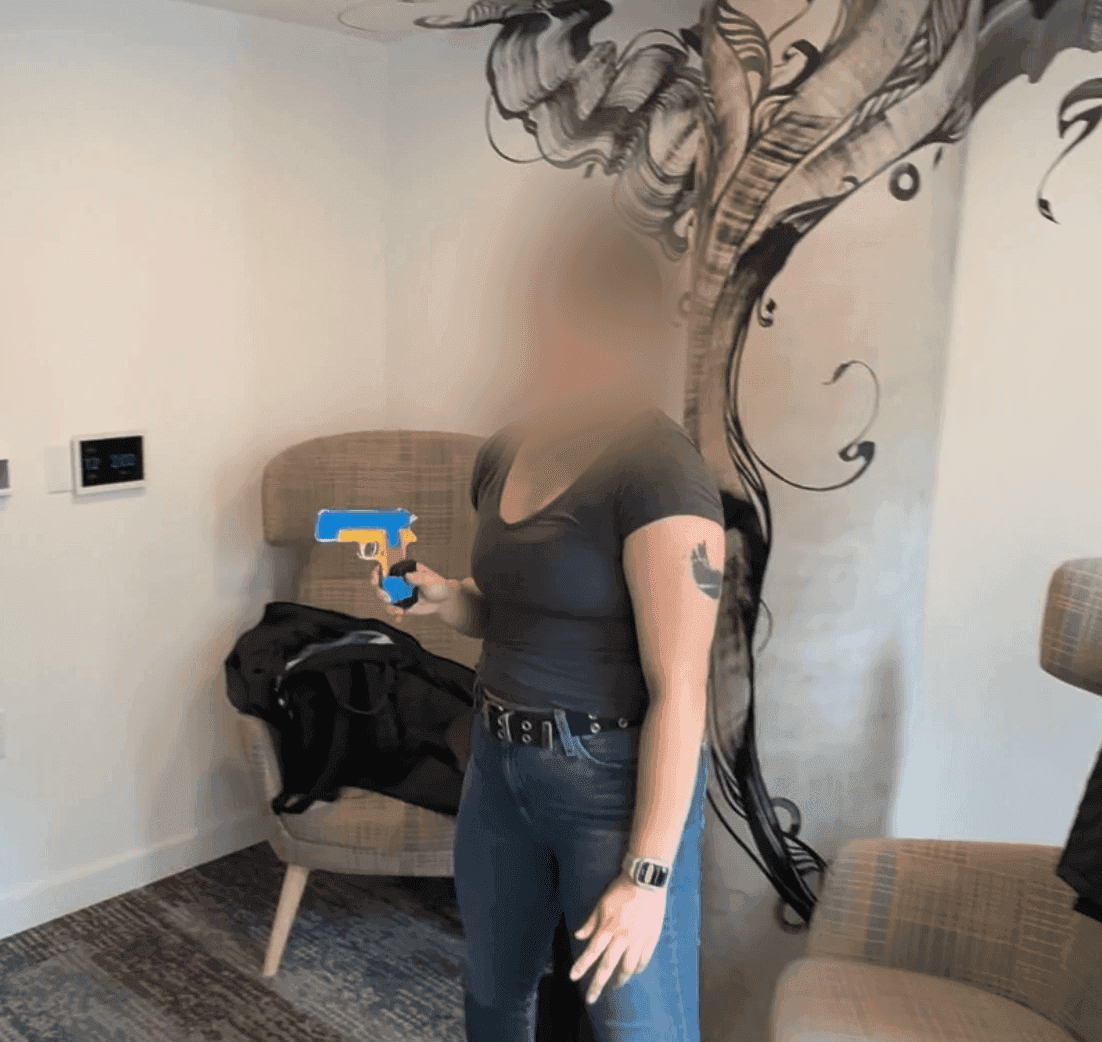 P4 testing controller 1
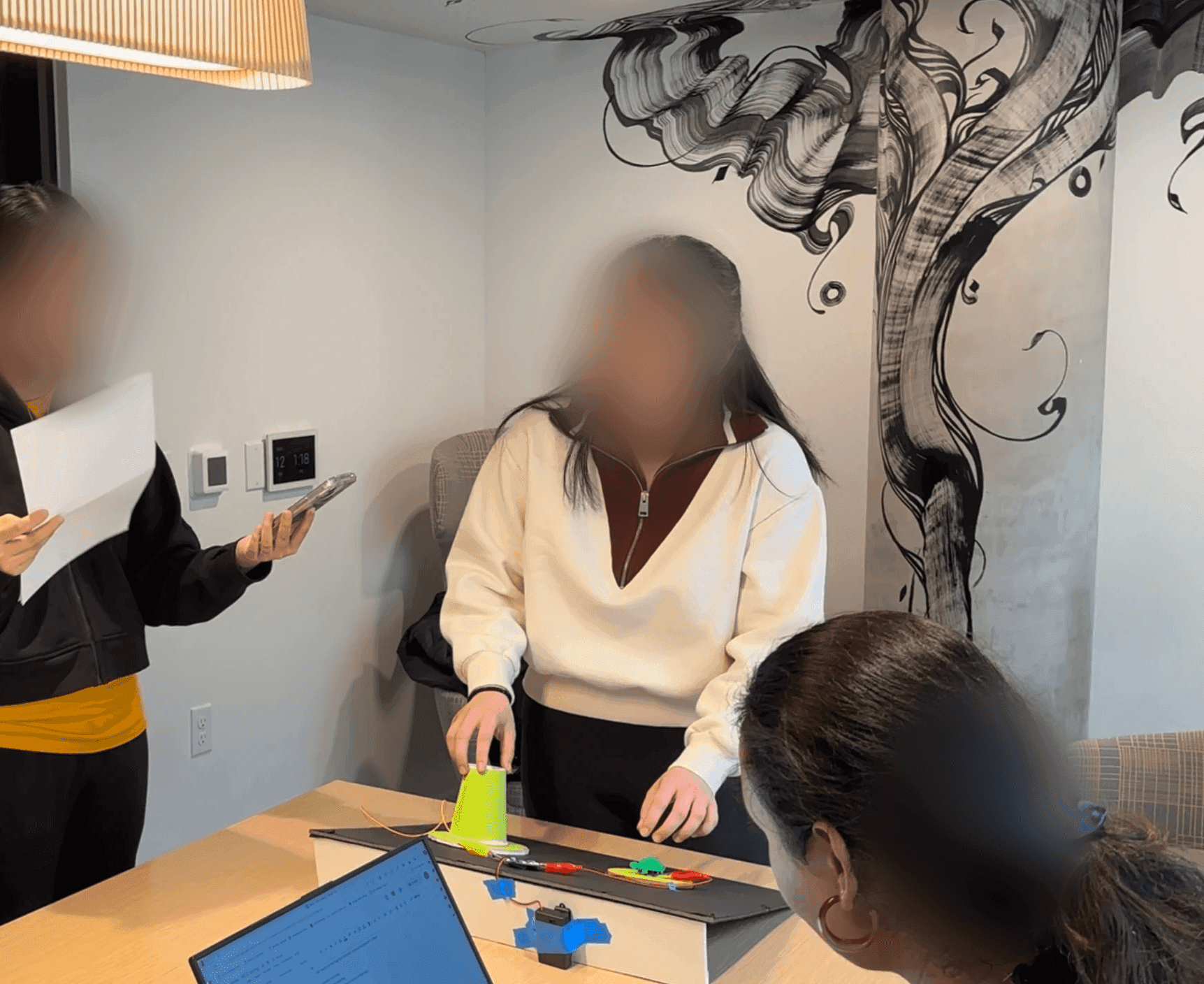 P3 testing controller 2Revised Game DynamicsBased on WoZ feedback we were able to adjust our gameplay. A visit to Dave & Busters helped us think about affordances of controllers and multiplayer game functioning.
We made narrative adjustments to reinforce messages about bullfrogs and baby turtle conservation.Controller WiringEach of the three controller iterations — Turtle Button, Crossbow Shooter, and the standalone Button Controller — wires a copper-tape pad into one of the Adafruit Circuit Playground Express's capacitive-touch pins. The CPX runs the p5.js game over USB while sharing a common ground across all three controllers.
P3 testing controller 2Revised Game DynamicsBased on WoZ feedback we were able to adjust our gameplay. A visit to Dave & Busters helped us think about affordances of controllers and multiplayer game functioning.
We made narrative adjustments to reinforce messages about bullfrogs and baby turtle conservation.Controller WiringEach of the three controller iterations — Turtle Button, Crossbow Shooter, and the standalone Button Controller — wires a copper-tape pad into one of the Adafruit Circuit Playground Express's capacitive-touch pins. The CPX runs the p5.js game over USB while sharing a common ground across all three controllers.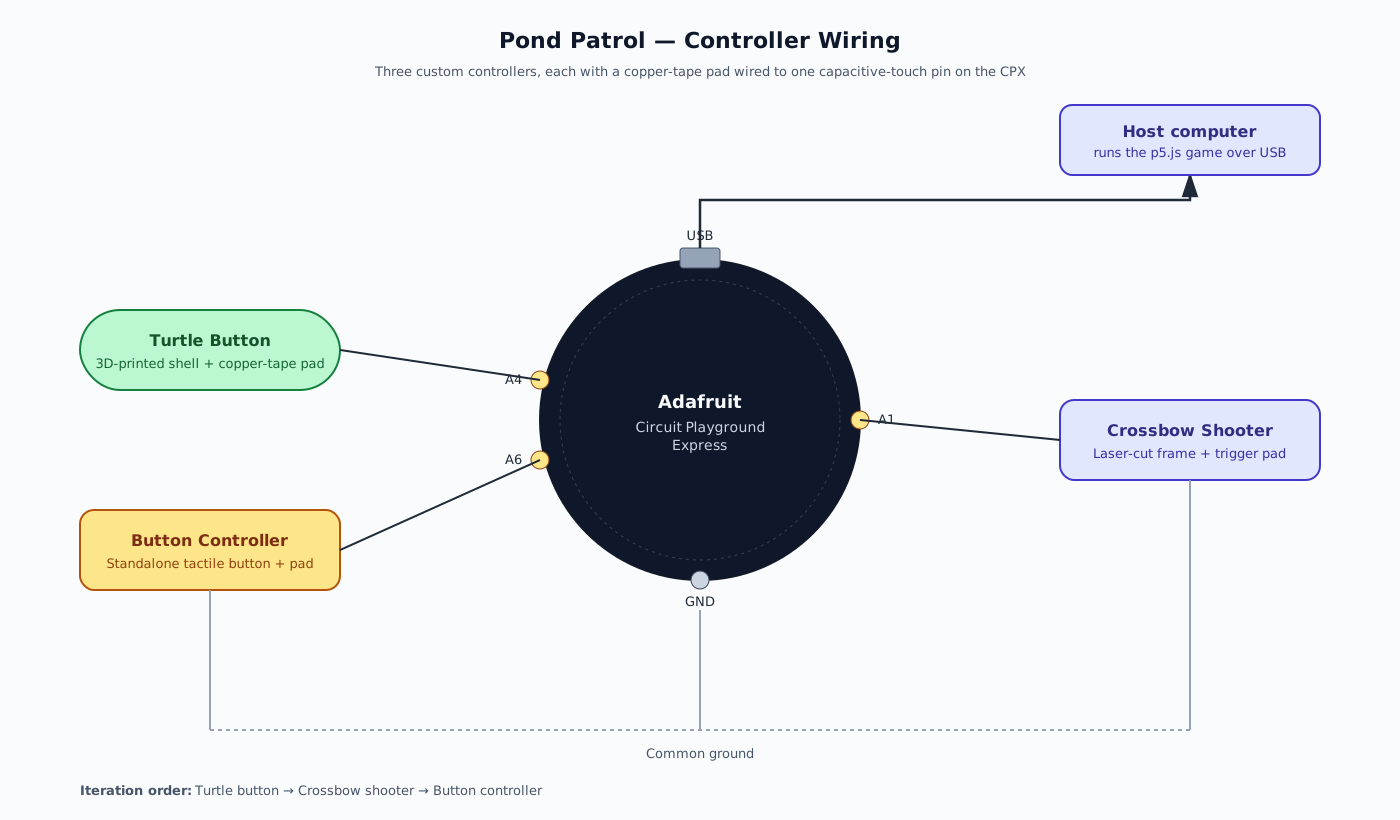
Prototype and Fabrication Process
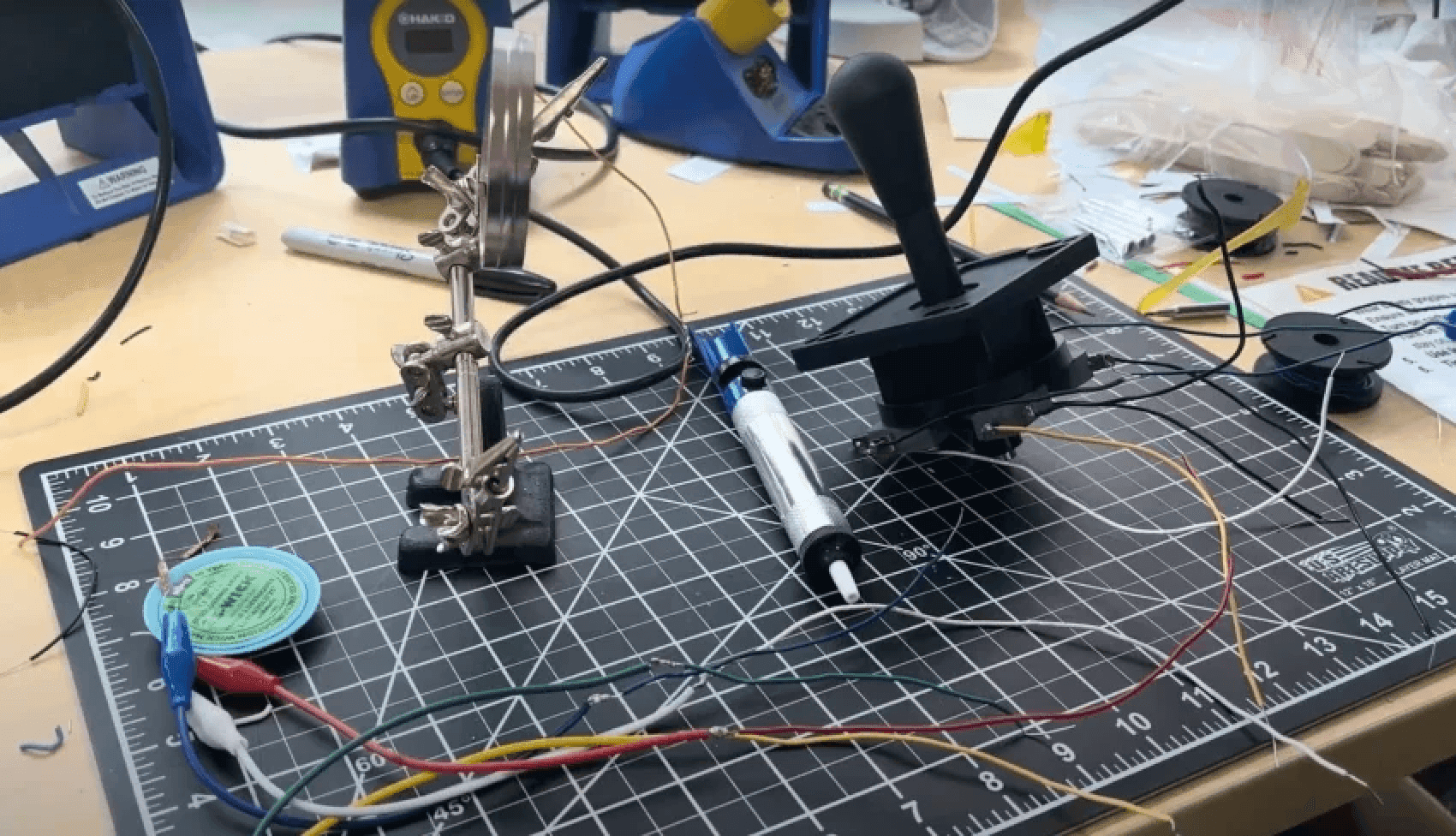 Wiring up controllers to the CPX
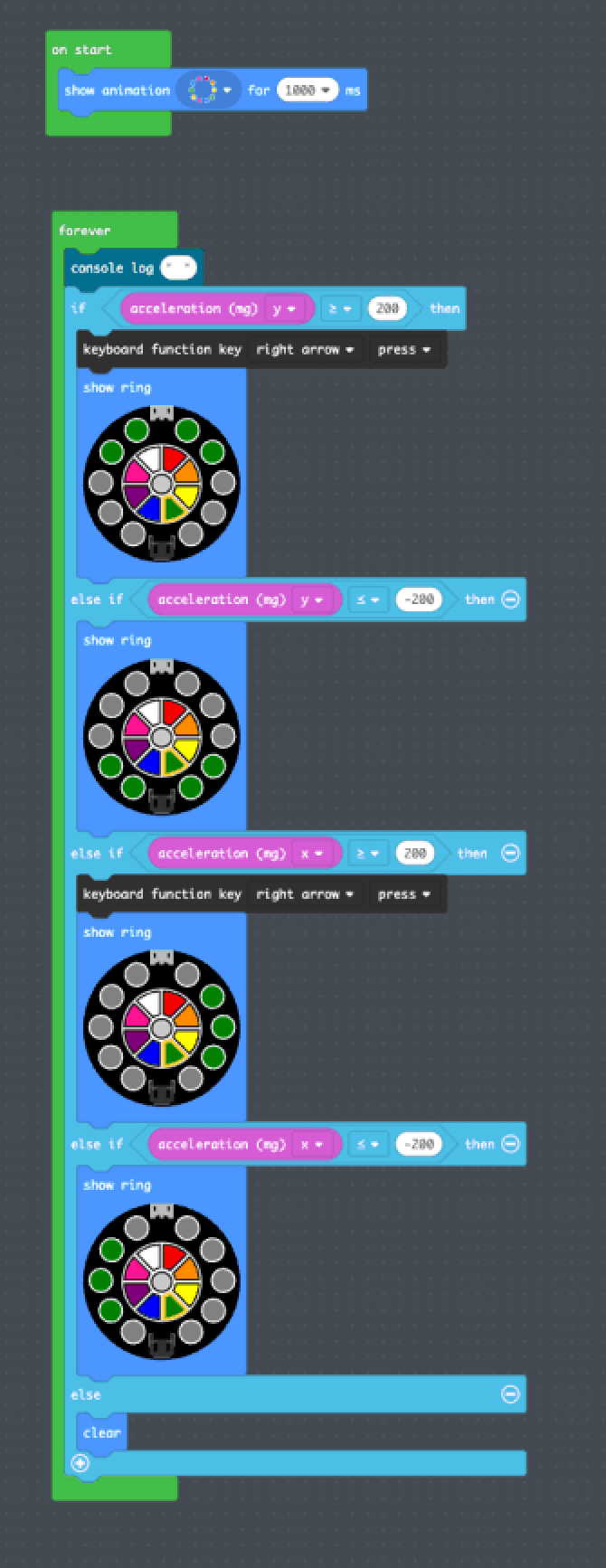
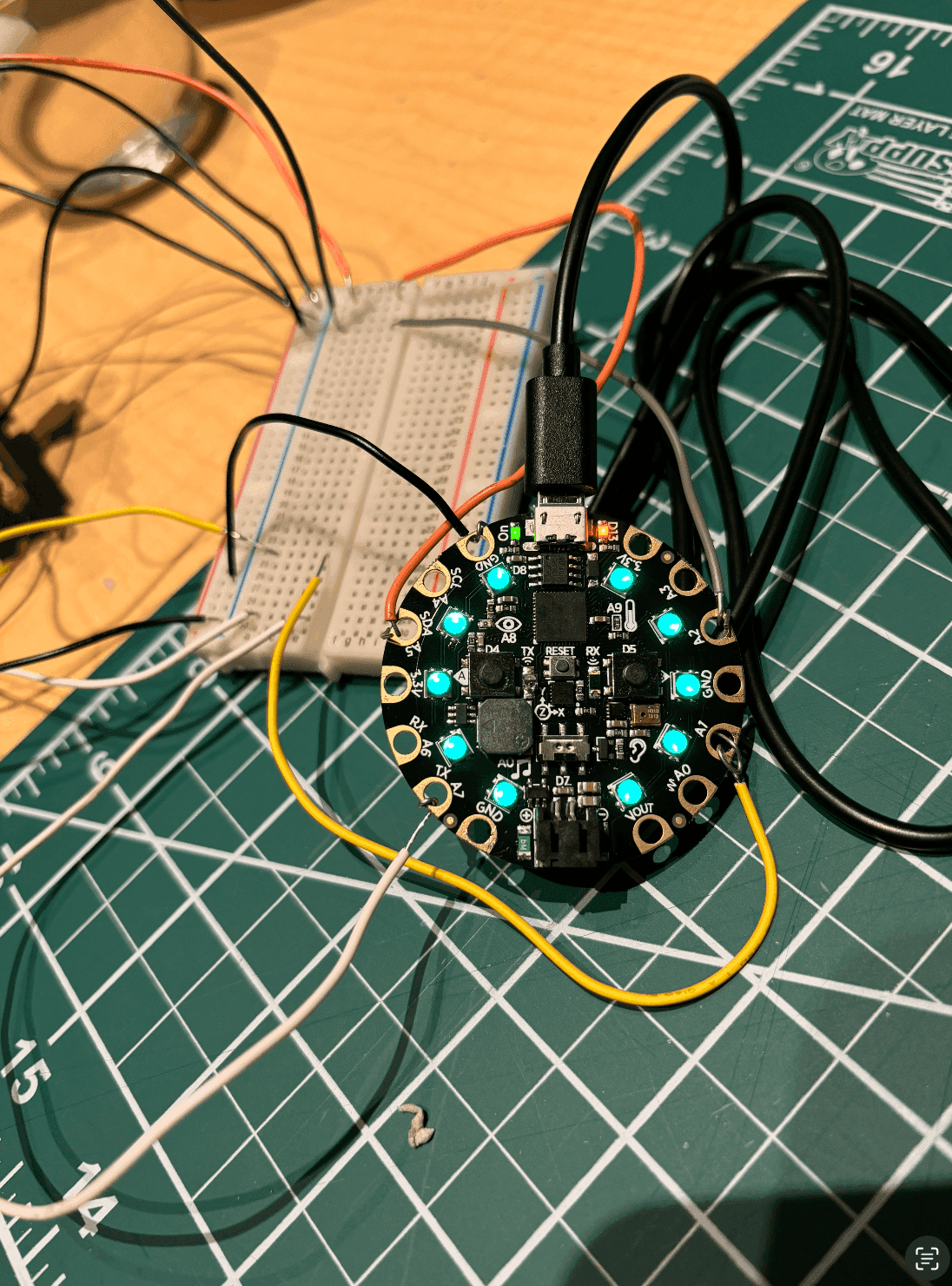 Exploring CPX inputs and outputs
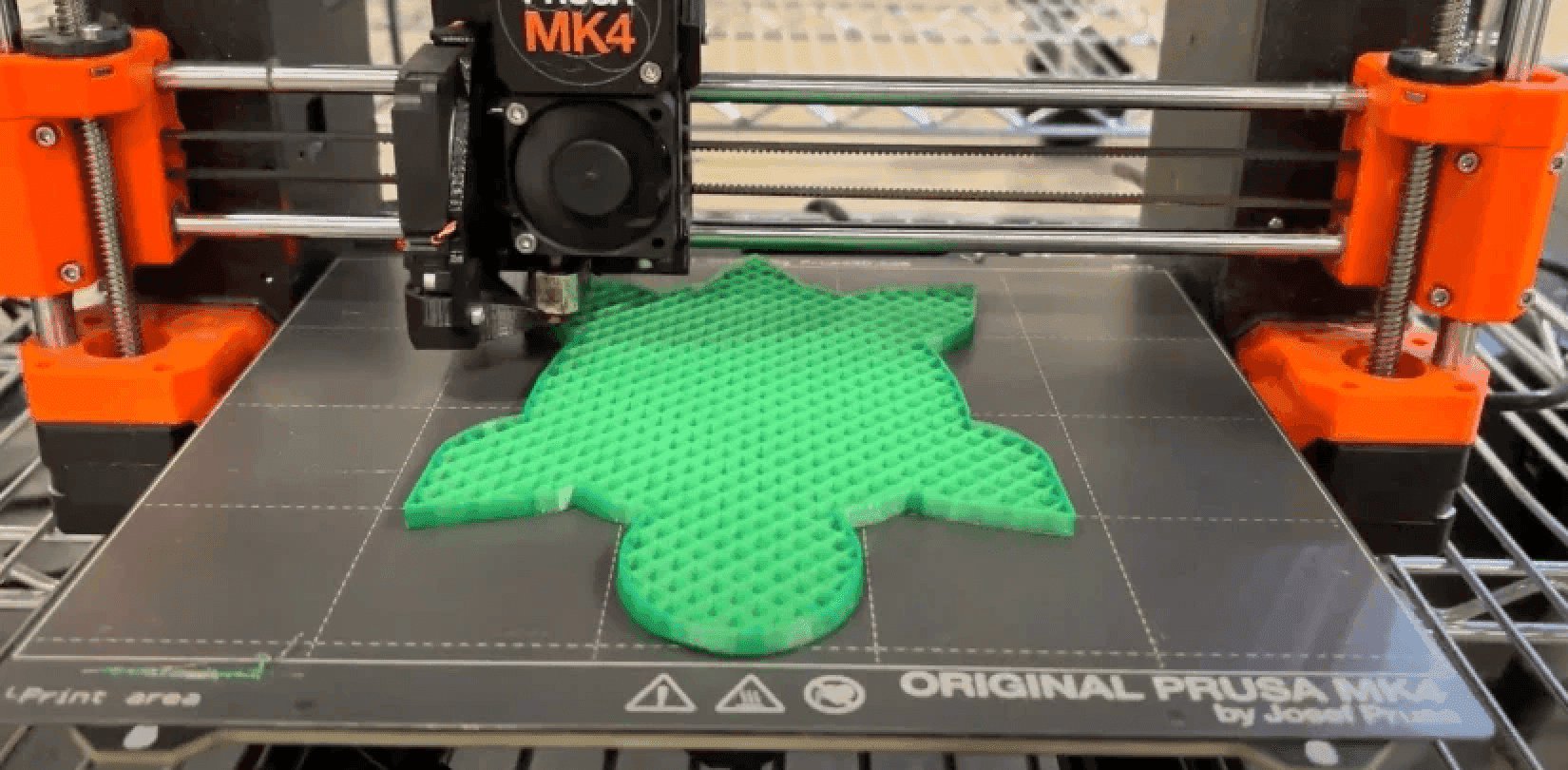 Using 3D printing to create a custom turtle button
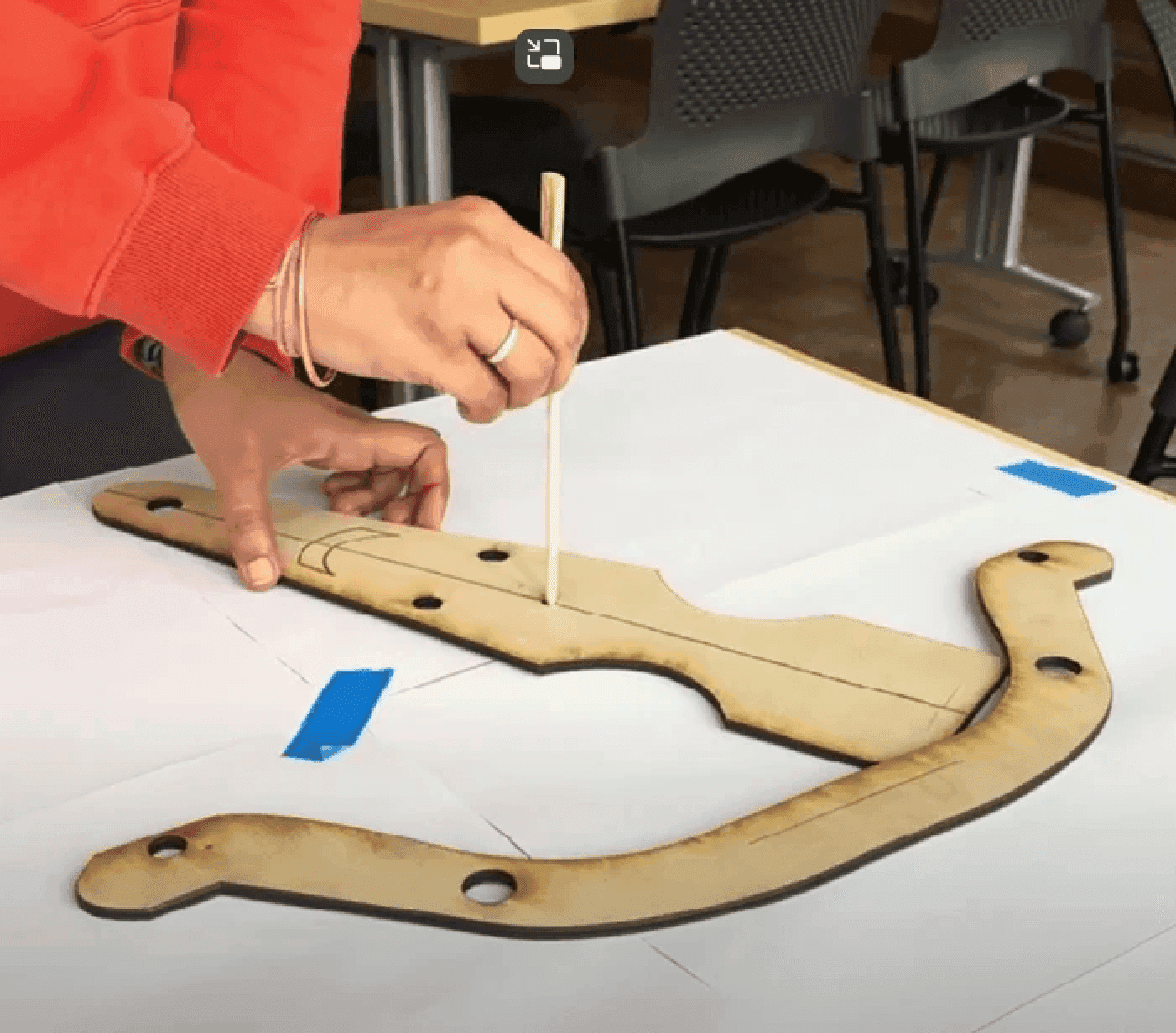 Using laser cutters to create a custom crossbow controller
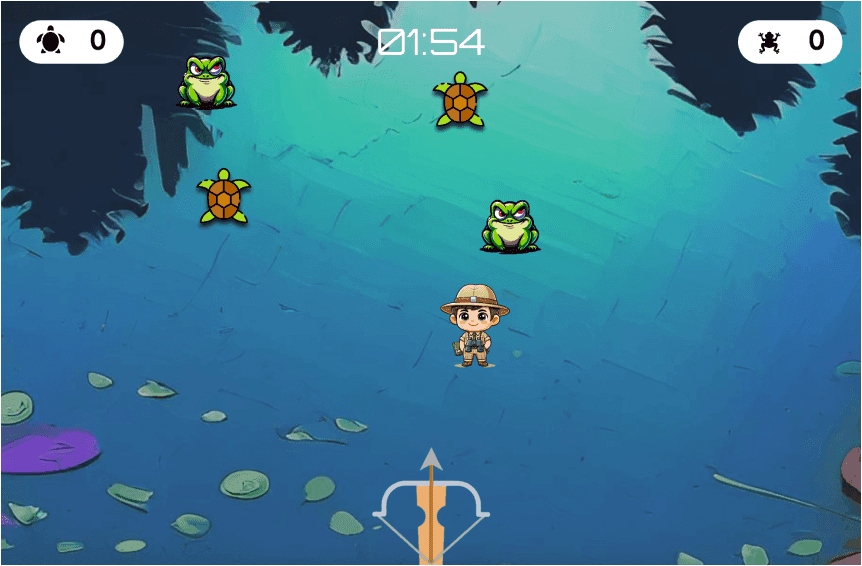 Developing in-game graphics
 Coding the game using P5JS
Final Showcase
Key Learnings
I acquired the ability to go from an idea, and build out the entire experience from design, software, and hardware. The process was full of learnings and insights! I learned the importance of being ready to let go of ideas that aren't working out. Sometimes, it's better to abandon them early and focus on what's more promising and feedback-driven.