Case Study
NYX Awards Mobile AppUnited Airlines: Designing the Future of Airport Lobbies
United Airlines challenged our team to rethink the airport lobby experience for the future of travel. As self-service expands, 70% of travelers, mostly infrequent flyers, still feel overwhelmed navigating check-in and pre-security, leading to long wait times and inconsistent agent support.
- My Role
- Product Designer
- Timeline
- Feb 2024 – Aug 2024
- Platform
- United App Mobile UI, AR Glasses, Self-service Kiosk
Work I Owned
01 / 03UX & Service DesignI led the end-to-end UX and service design for the agent-facing and kiosk experiences, defining the new role of lobby agents within future self-service environments.02 / 03Prototyping & Design SystemsI created interactive prototypes for stakeholder testing and established scalable UI patterns optimized for high-pressure use cases.03 / 03Research Interpretation & StrategyI led field interviews and synthesized insights into design direction that shaped the problem framing that guided final solutions.Leadership Reaction
Our concept was met with enthusiasm. United leadership invited us to interview for roles on their strategy team after seeing this presentation. "You should be on our strategy team… These are the same recommendations we're exploring — streamlined kiosks, NFC, and using computer vision to better greet customers." — Jason Flint, Director of Digital Delivery at United Airlines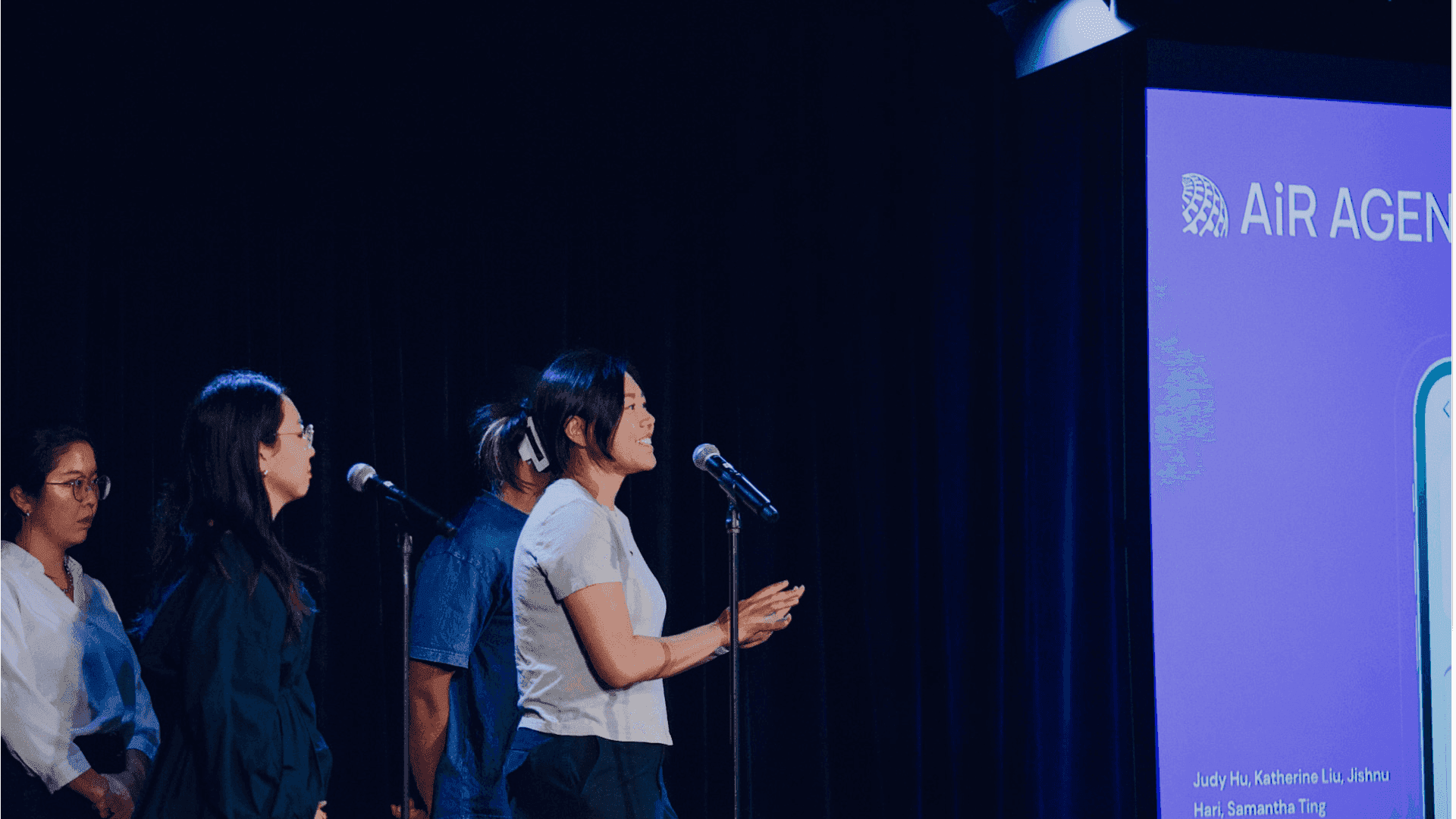
Problem
United Airlines challenged our team to rethink the airport lobby experience for the future of travel. As self-service expands, 70% of travelers, mostly infrequent flyers, still feel overwhelmed navigating check-in and pre-security, leading to long wait times and inconsistent agent support.
I led the UX design effort to address a core question:
"In an increasingly automated environment, what is the role of the human agent?"
Our goal was not just to speed up processes, but to empower lobby agents to deliver high-confidence, emotionally supportive guidance under pressure, while helping travelers move through the lobby faster with less friction.
Solution
I designed an integrated three-part service system that helps lobby agents quickly identify who needs help, deliver accurate assistance under pressure, and redefine their role in a self-service future.01 · AI-supported mobile workflow
Solves: Agents not knowing what to say or do during complex conversations.
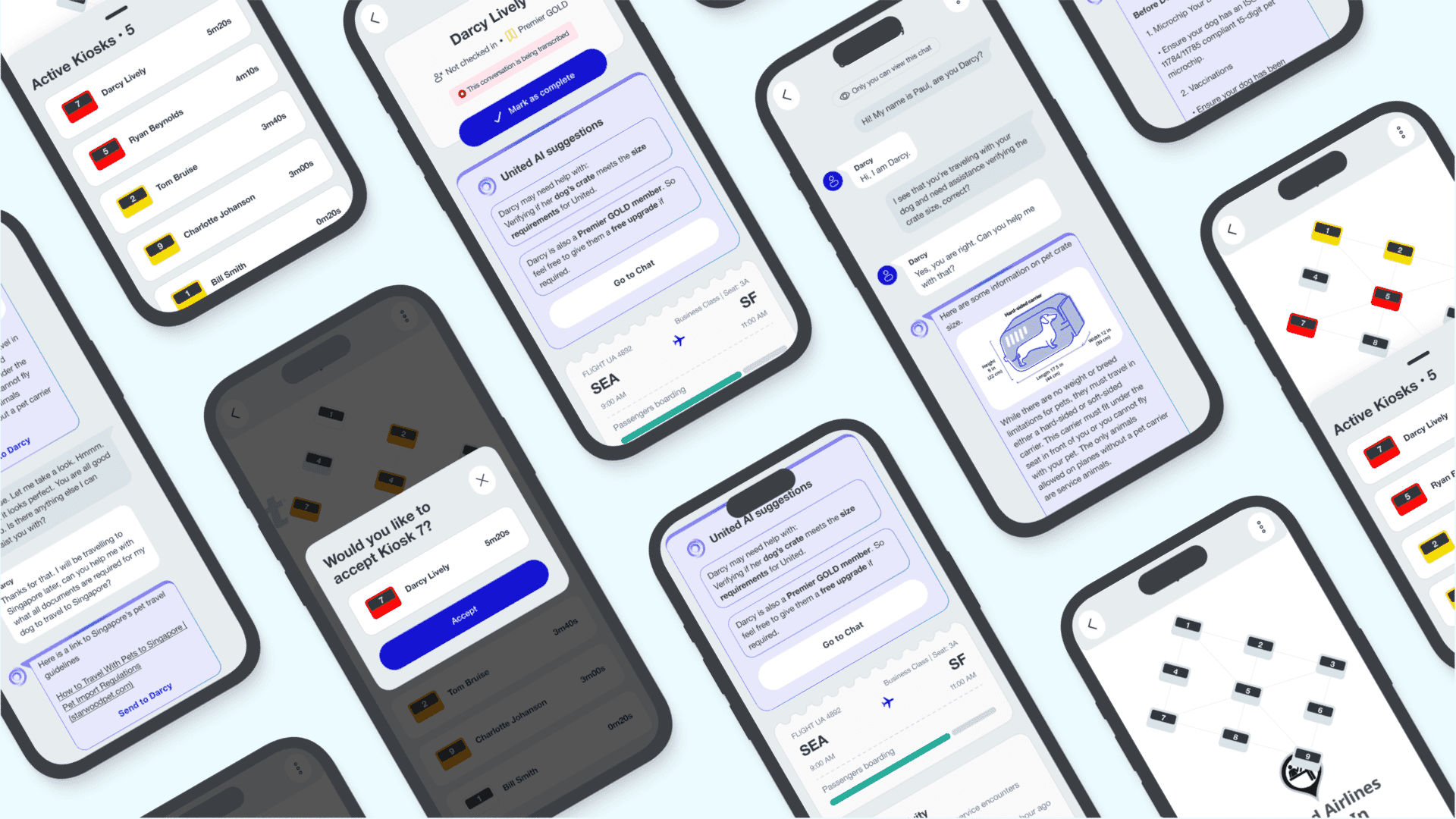
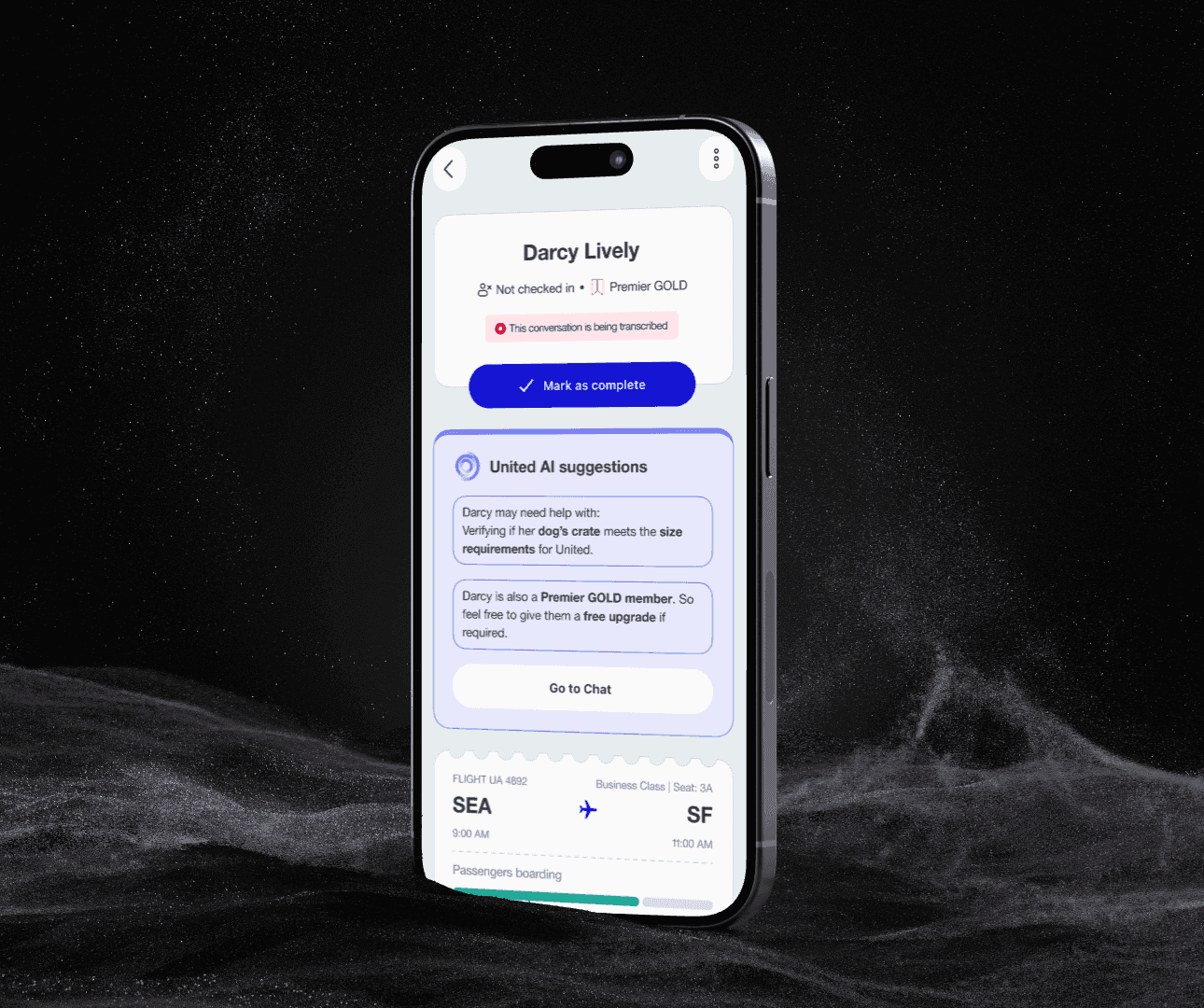
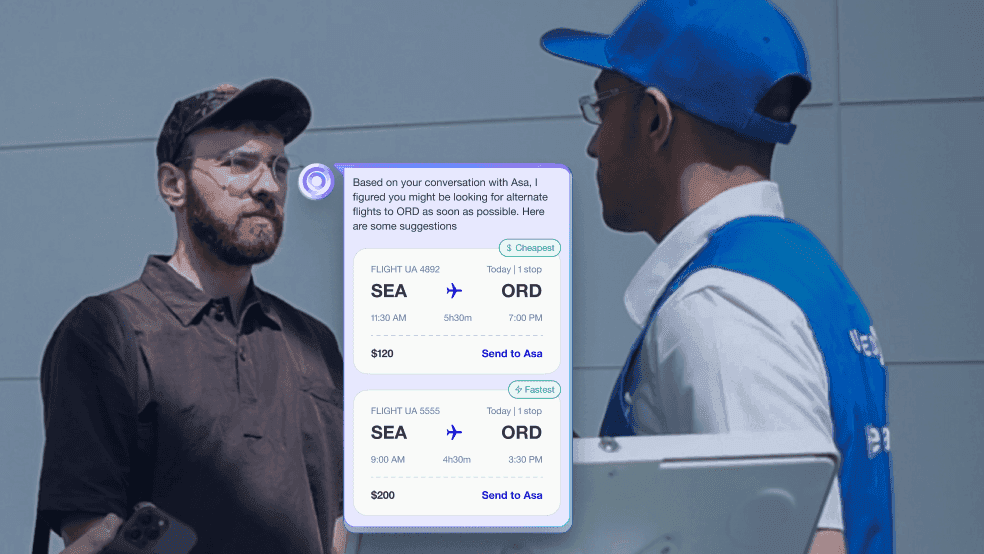
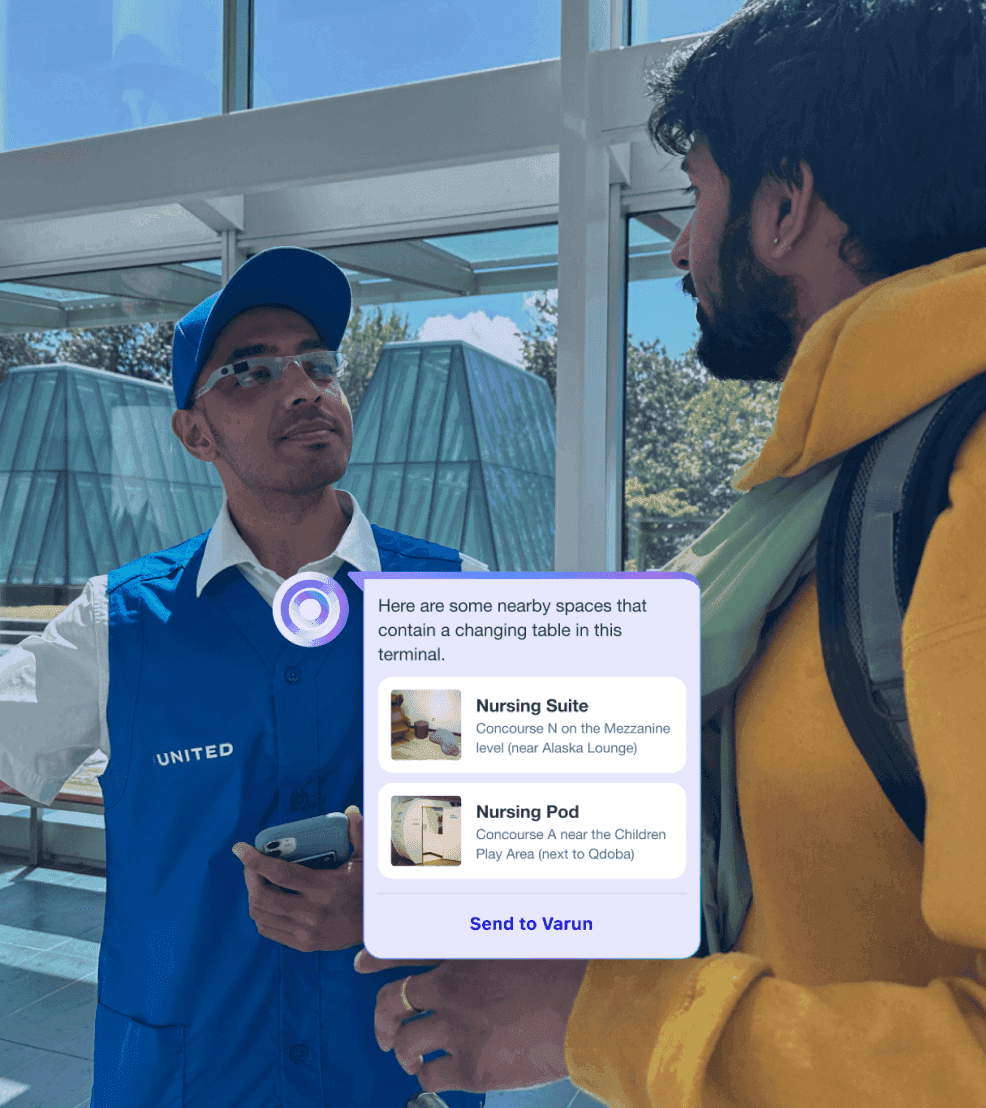
I designed an AI-powered mobile experience that listens (with clear user consent) to real-time traveler conversations and surfaces recommended actions, upgrade options, and policy details.
- Iteration 1 focused on generating guidance quickly
- Iteration 2 refined timing and privacy after feedback from agents
- Final version reduced task handling workflow from 13 clicks across 4 tools to just 3 taps + confirmation
This helped agents sound more confident while maintaining authority in high-pressure moments.
02 · AR glasses + kiosk pairing
Solves: Difficulty recognizing who actually needs help.
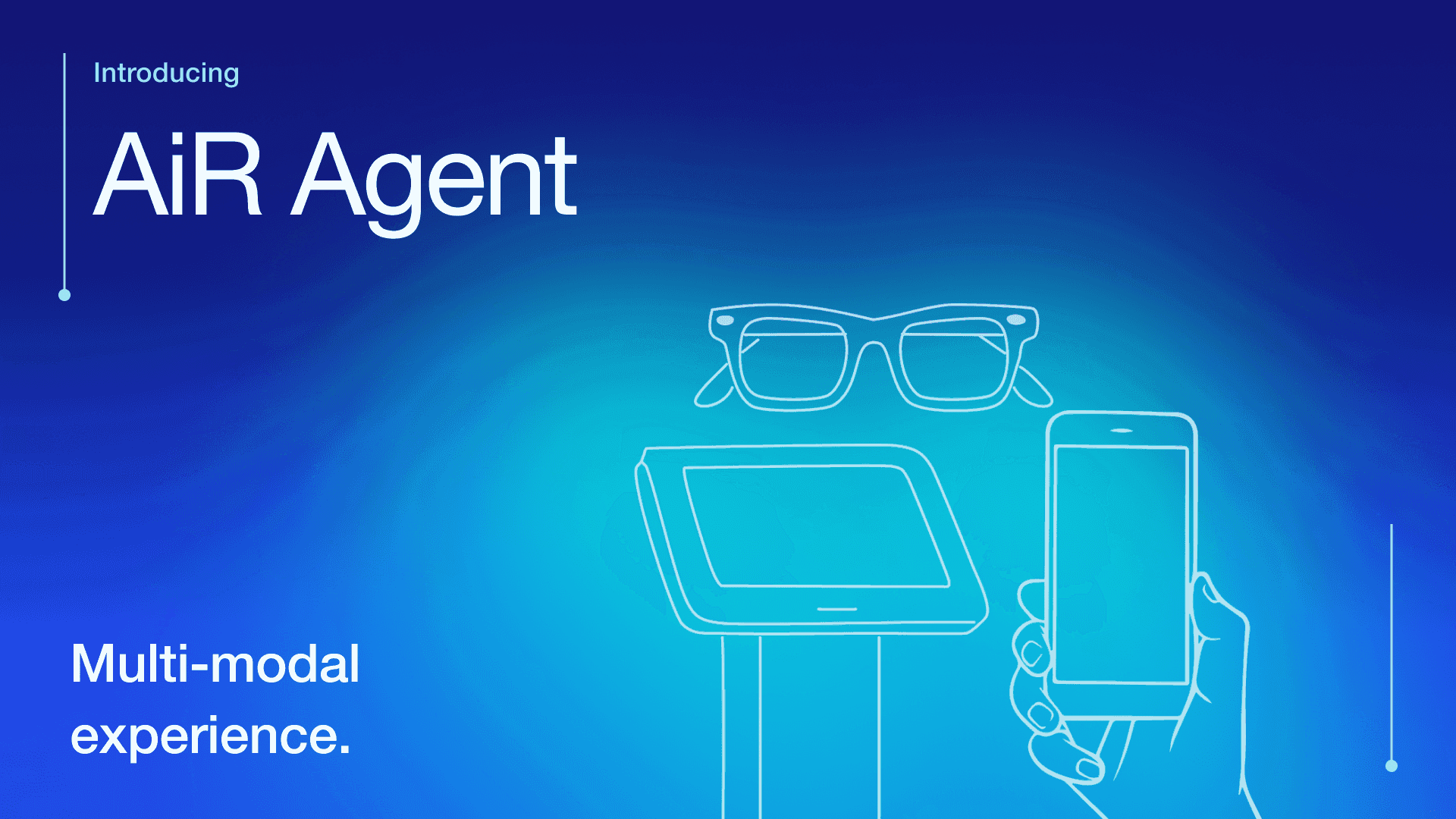
I combined a lightweight kiosk interface with AR glasses worn by agents to proactively identify travelers requiring support.
- Early design included a full interactive tablet, but usability testing revealed hesitation under stress
- I shifted to a minimal UI that displays only necessary guidance, lowering cognitive load
- Final version serves as a subtle visual cue, helping agents approach travelers at the right moment without interrupting flow
03 · Moment-based service guidance
Solves: Knowledge overload + inconsistent service quality.
I designed a decision model that simplifies service action into only the next step, ensuring agents aren't overwhelmed by policy information.
- Built an "AI → suggestion → agent confirmation" sequence
- Supports confidence while keeping agents in control
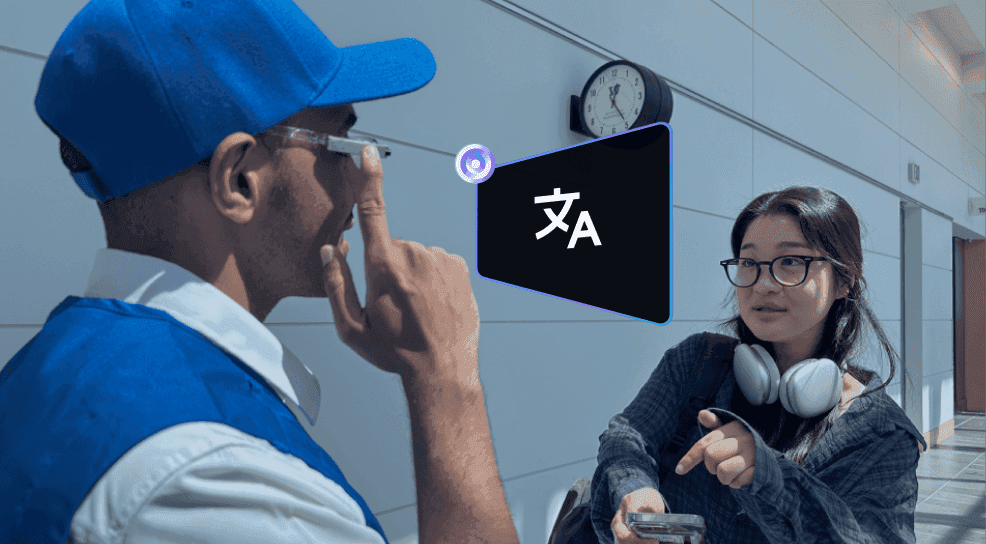
- Scalable for future add-ons (NFC, visual ID, multilingual support)
Together, these shift lobby agents from reactive helpers to proactive experience facilitators, stepping in precisely when self-service reaches its limits.
Current State of the Lobby
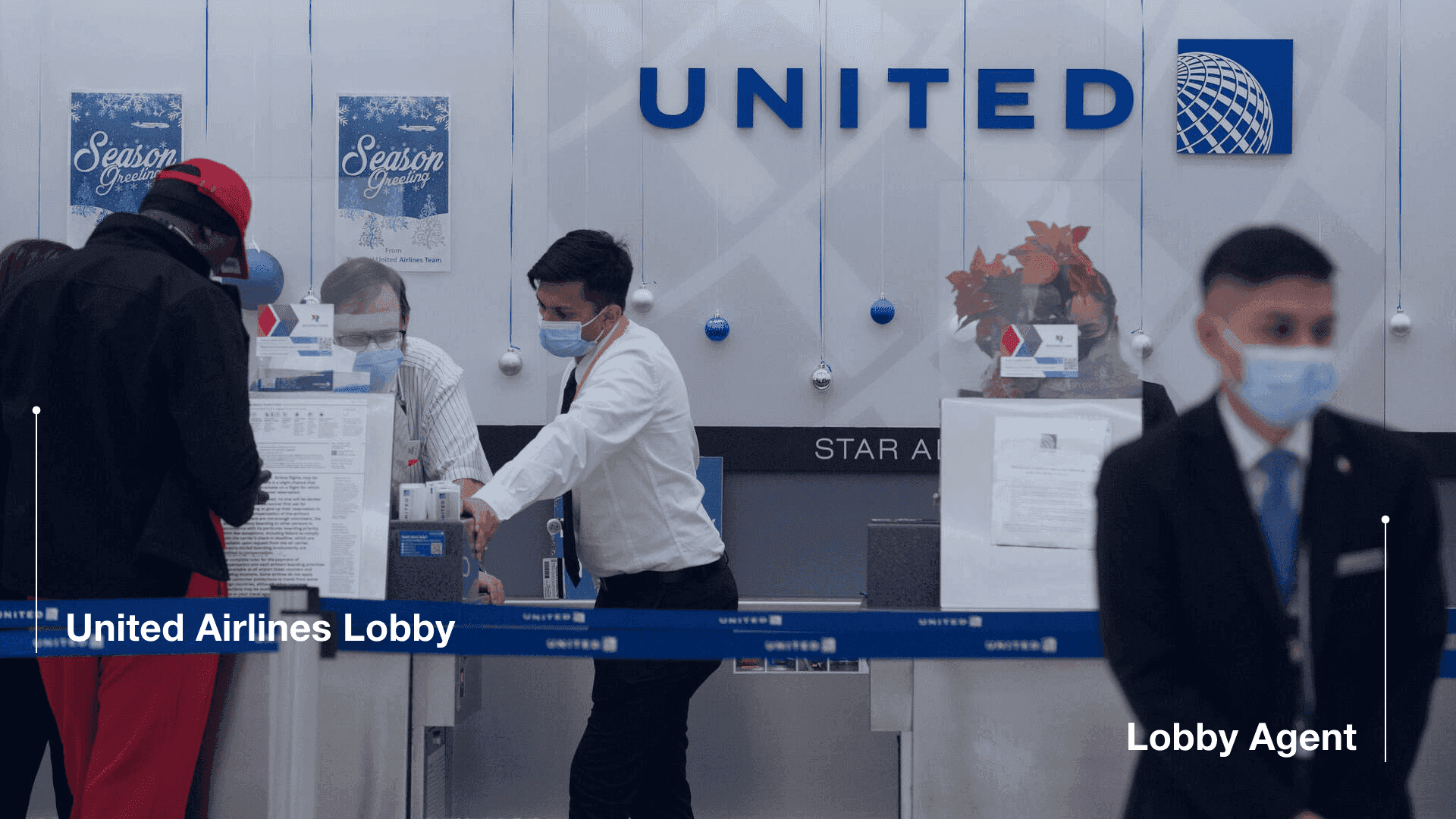
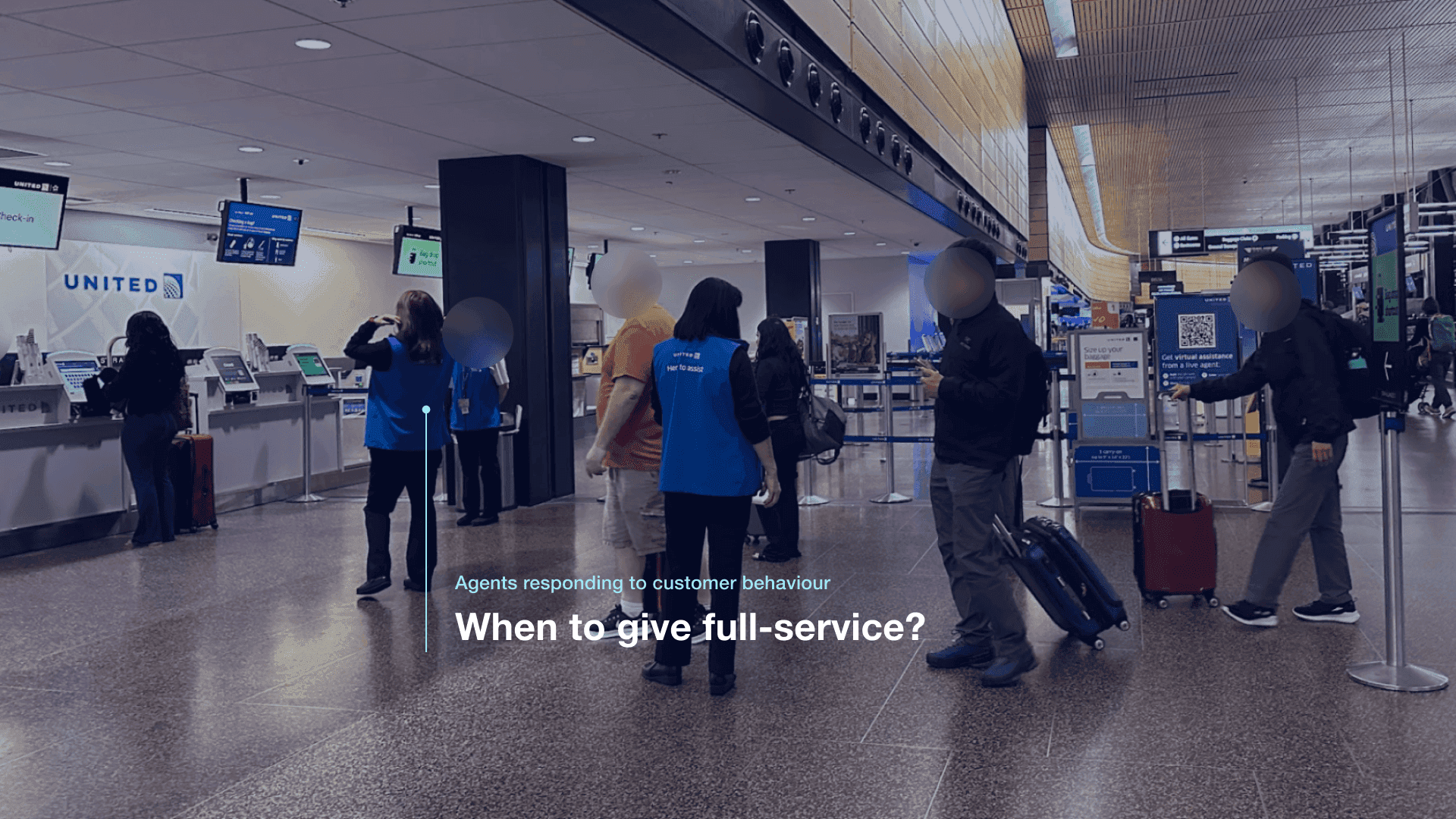
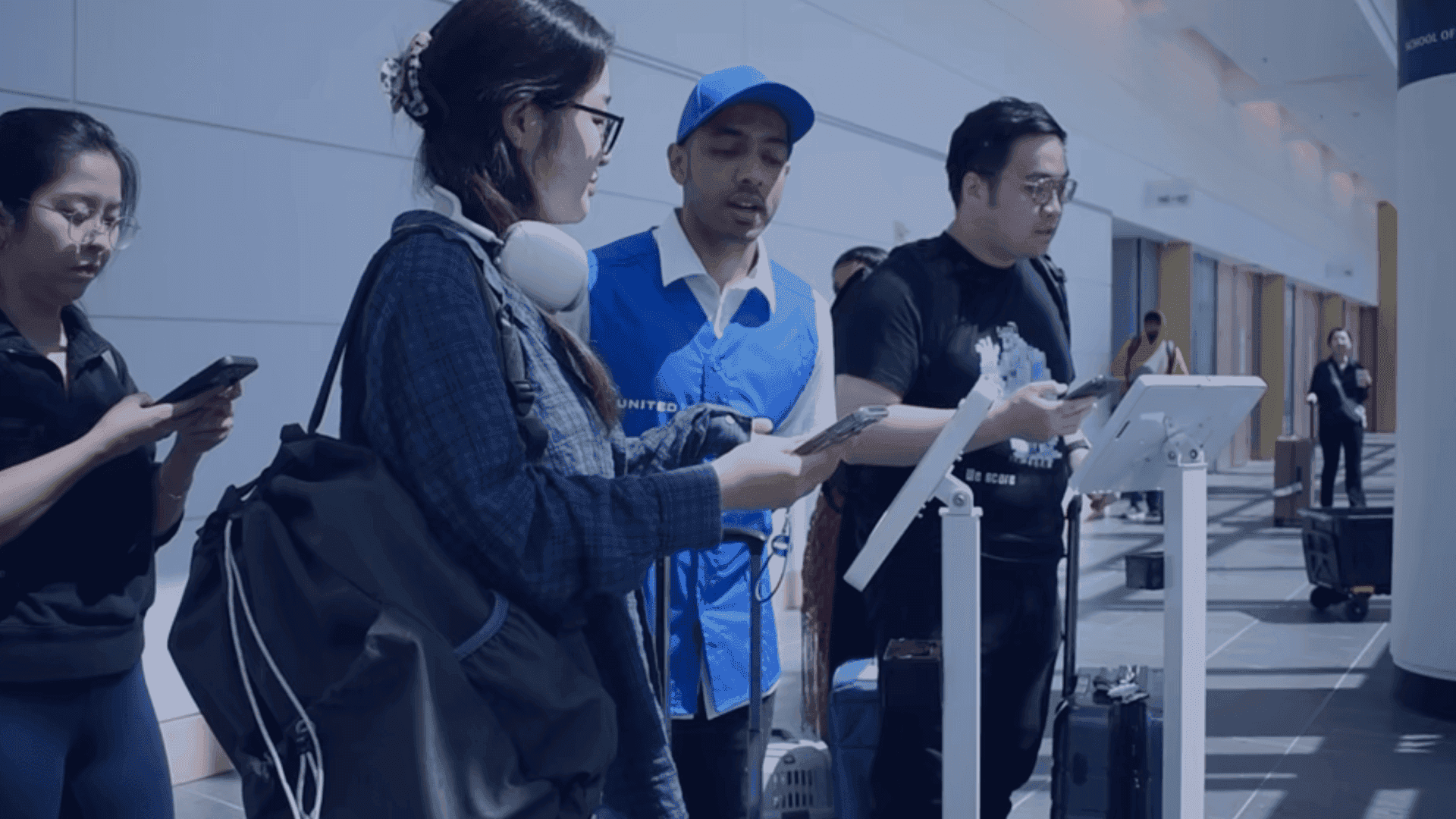
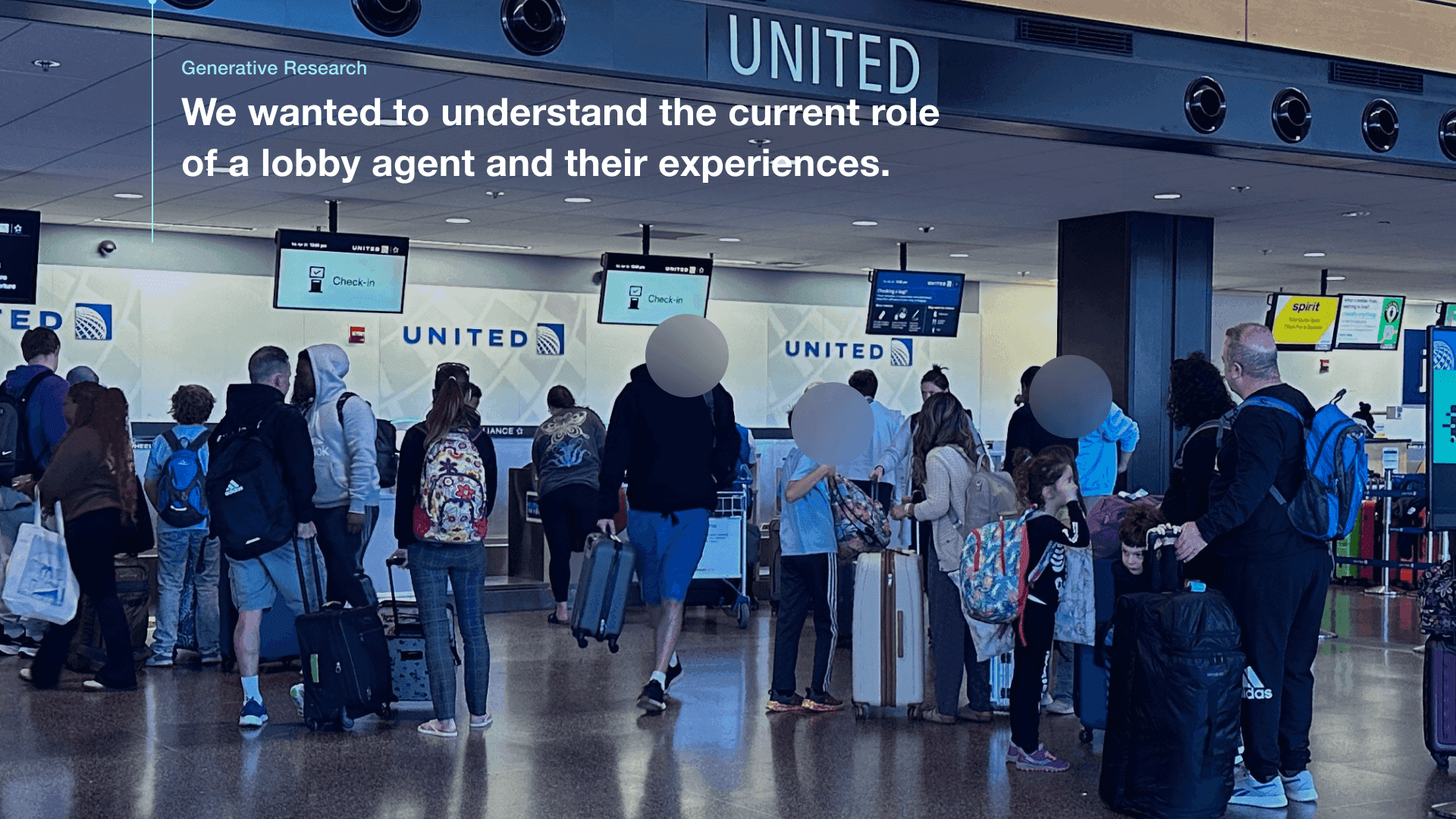
The check-in area is built around self-service, but edge cases remain highly dependent on human intervention. Lobby agents operate under time pressure, juggling multiple disconnected systems while assisting travelers who are often anxious or unfamiliar with airport procedures.
Common breakdowns we observed:
Wait timeTravelers wait in line even when self-service fails to clarify what to do nextTriage gapAgents must decide who to assist based on scanning behaviors, not actual needTime pressureSupport interactions typically last under 2 minutes, yet require instant recall of policies, upgrade options, and exceptionsWhat We Observed
From on-site observations and role-playing with agents, we noticed:- Agents default to familiar tools, even when newer apps are available
- Travelers avoid approaching staff unless visibly distressed
- Agents perform silent triage by scanning the crowd, but this can miss the ones who actually need help
- Assistance is reactive, not proactive
Key Insights that Shaped Our Direction
01If everything moves to self-service, the agent's role must evolve, not disappear02Agents need real-time support, not more systems03Identifying who needs help is just as critical as delivering help "Empower agents to act proactively and confidently, even under pressure."These insights guided our design principle Together, these solutions form AiR Agent — a multi-modal system designed not to replace CSRs, but to enhance their expertise and impact where it matters most.Design Response
Our research made one thing clear: in a high-pressure lobby, the agent's ability to act decisively matters more than access to information.
To address this, I led the design of three interconnected solutions, each tied directly to a core problem we observed.
01 · Enable confident, consistent service even under pressure
During interactions, agents must recall policies, offer alternatives, and emotionally support travellers, all in under two minutes. Current tools add cognitive load rather than reduce it.
🎯 Design Solution → Mobile app with real-time AI support
- Highlights actionable suggestions (not just information)
- Refined across 2 iterations to reduce UI complexity and reinforce data privacy
- Validated with agents → increased confidence and faster response
02 · Help agents identify who needs support before the interaction begins
Agents rely on behavioural cues (eye contact, hesitation) to decide who needs help. This reactive approach leads to delays and inconsistent triage.
🎯 Design Solution → AR Glasses + Kiosk integration
- Highlights kiosks likely to need assistance
- Initially designed full UI overlays → iterated down to minimal indicators to maintain situational awareness
03 · Redefine the role of CSRs within self-service environments
As automation expands, agents perceive their role as diminished, only stepping in when systems fail.
🎯 Design Solution → Reposition agents as proactive disruption managers
- AI forecasted issues before escalation
- Multi-modal system allowed CSRs to intervene earlier and with better context
Agent Experience: AR Glasses x Agent
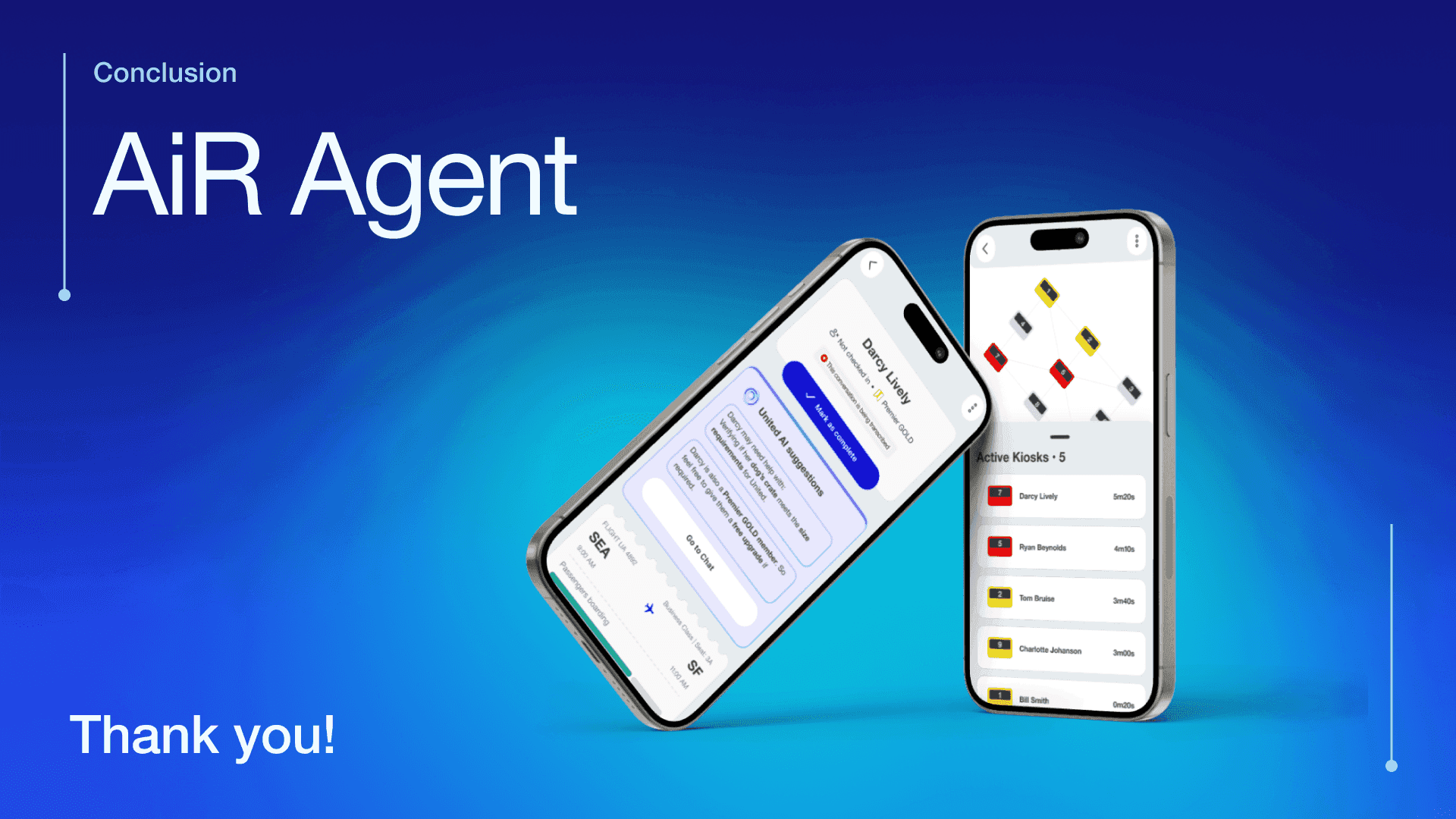
AGENT EXPERIENCEHow AR glasses pair with the agent's mobile workflow in the lobby.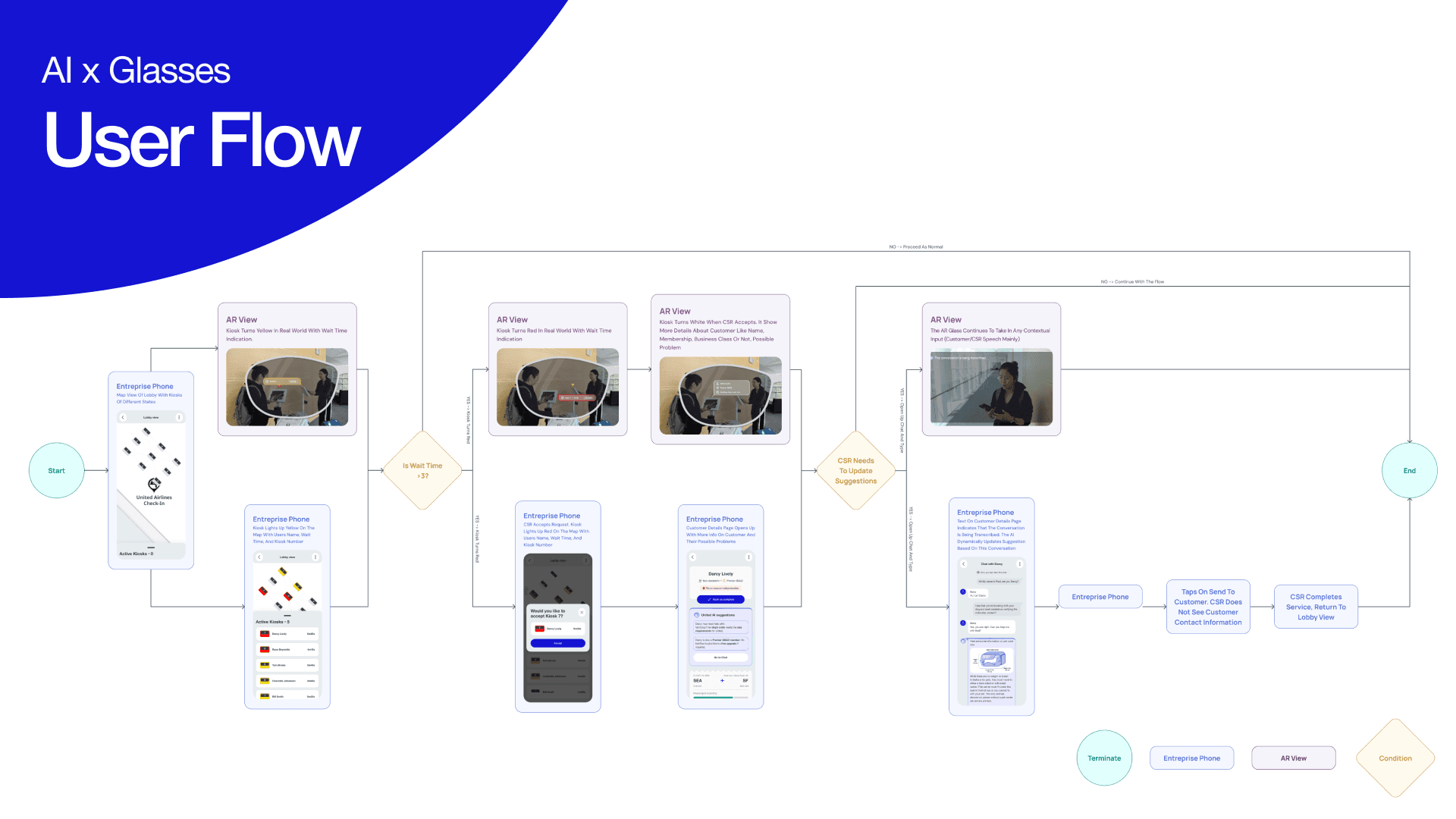 AGENT POVWhat agents see through the AR glasses while monitoring the lobby.ENTERPRISE IPHONEMonitor Lobby — the companion mobile interface agents use alongside AR glasses.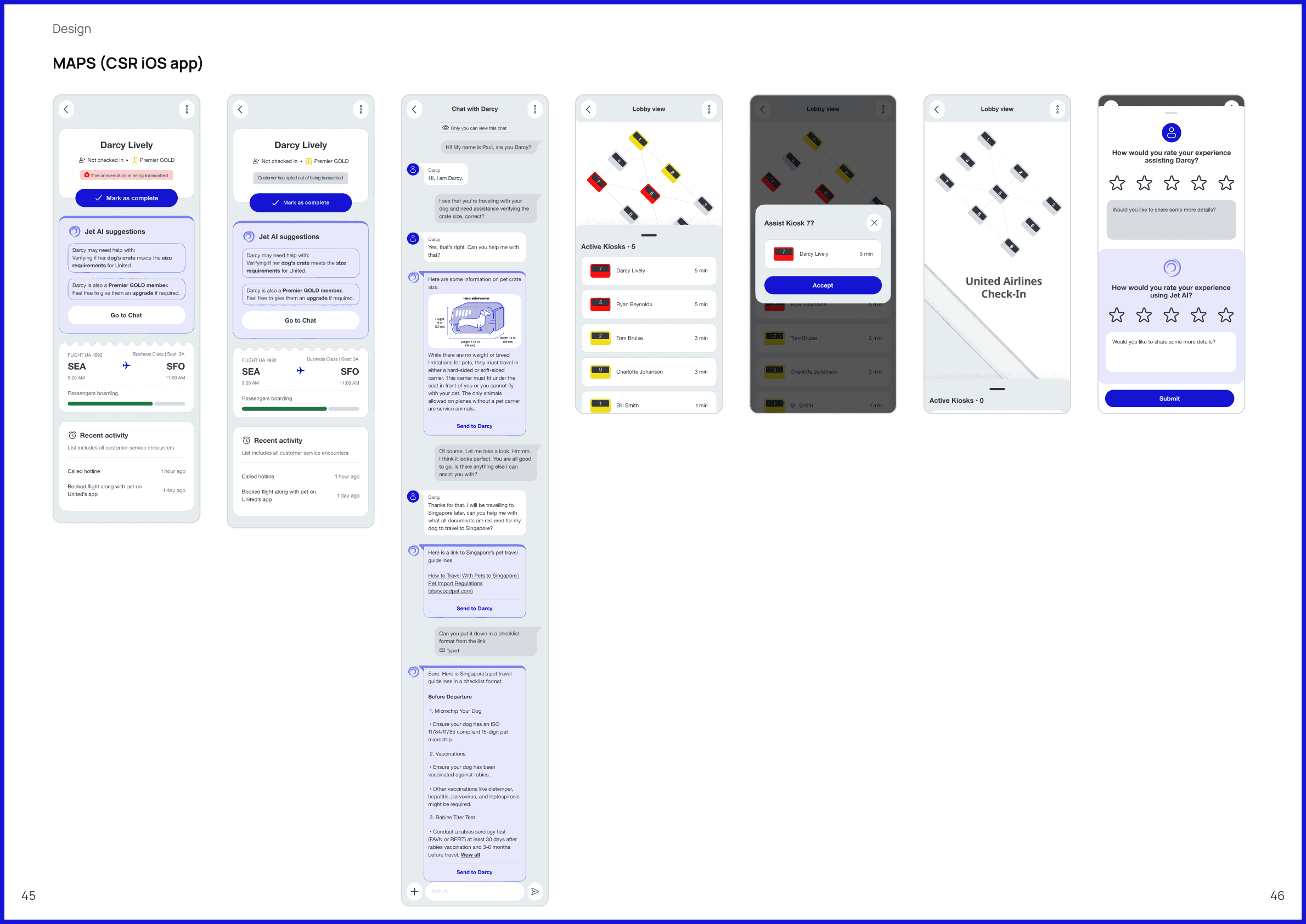
Customer Experience: Kiosk x Customer
CUSTOMER EXPERIENCEHow travelers move through the kiosk-led check-in flow.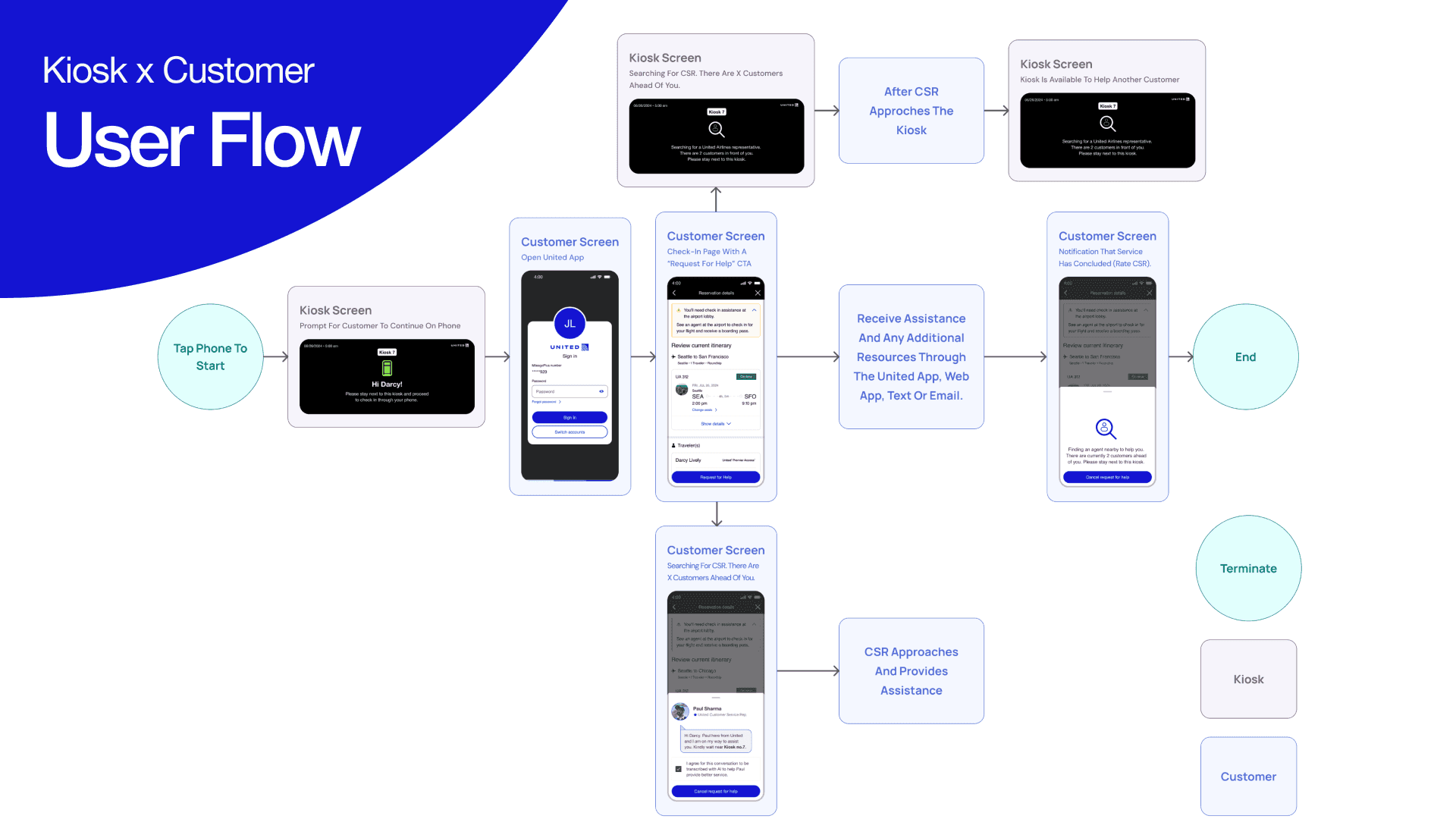 CUSTOMER APP & KIOSKCheck-In — the paired mobile and kiosk experience that guides travelers end-to-end.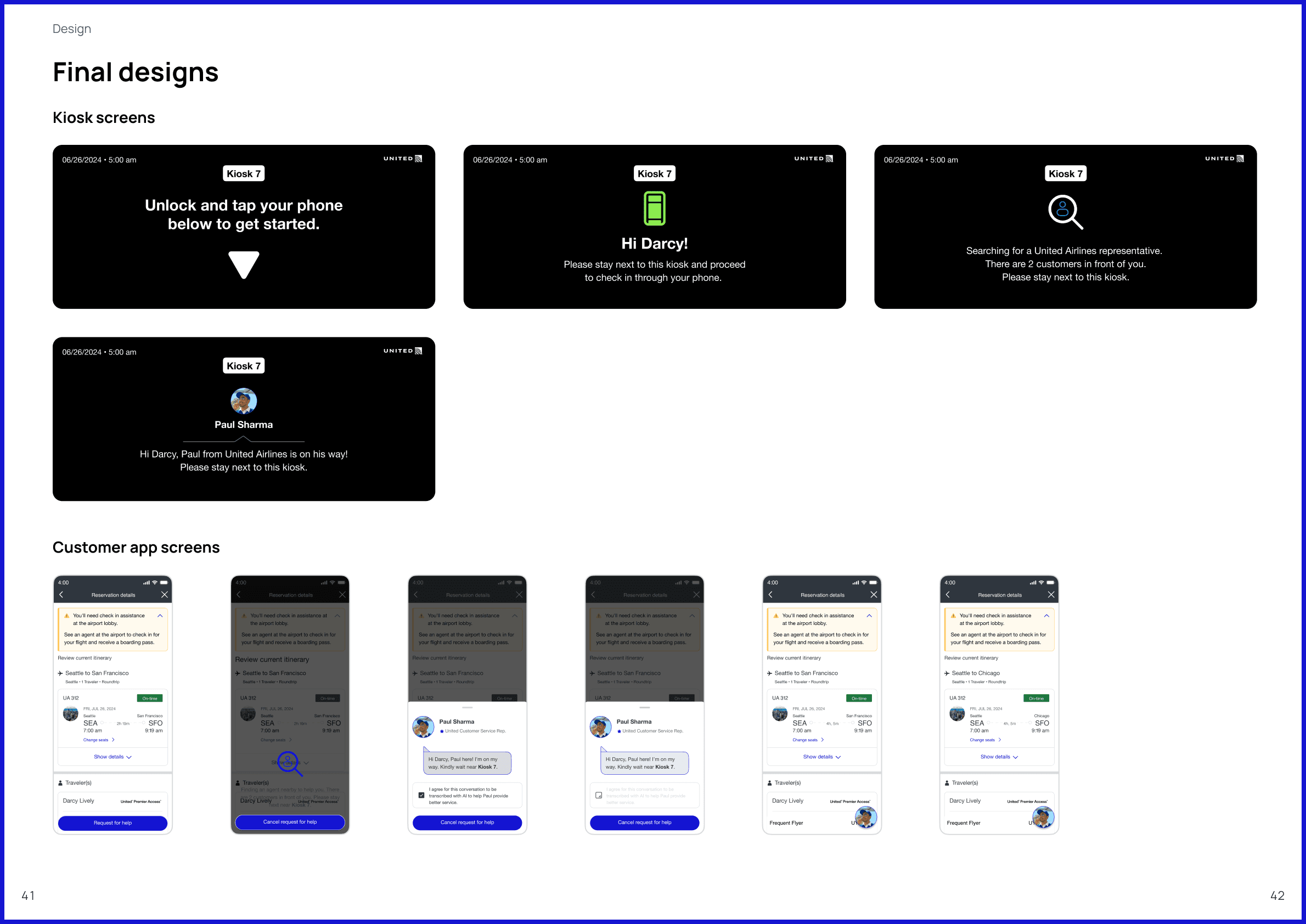
Design Systems
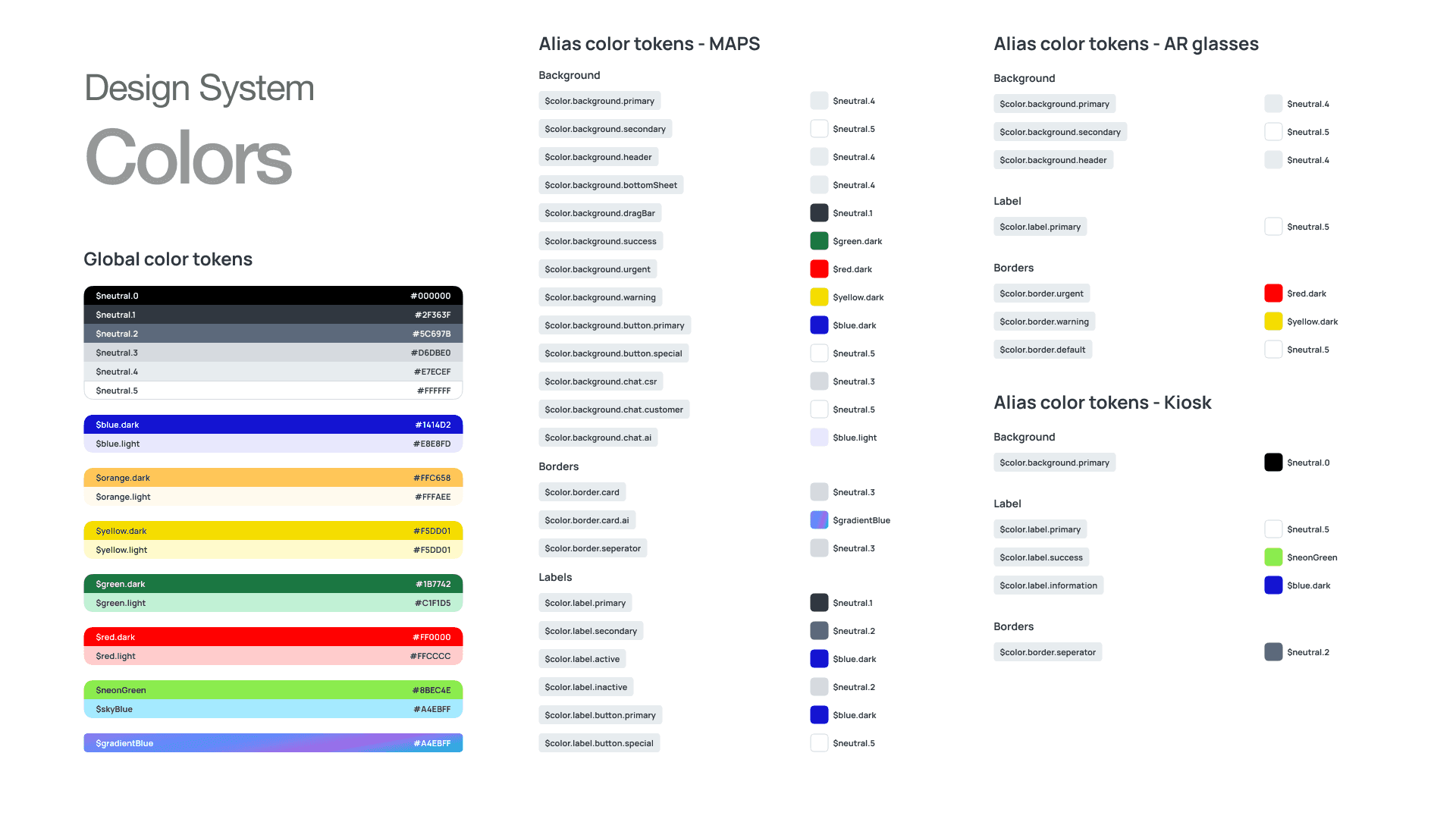
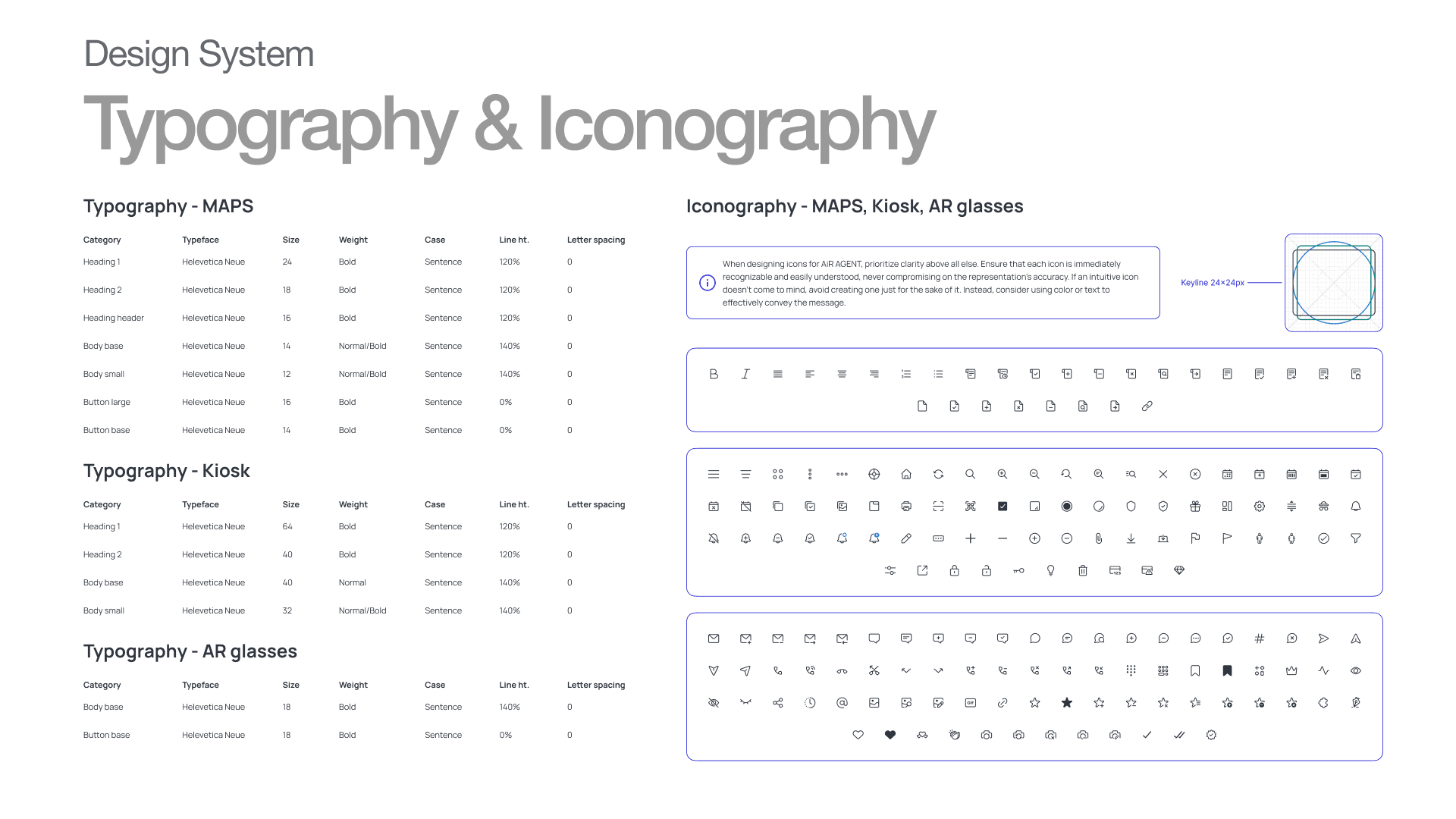
Usability Testing
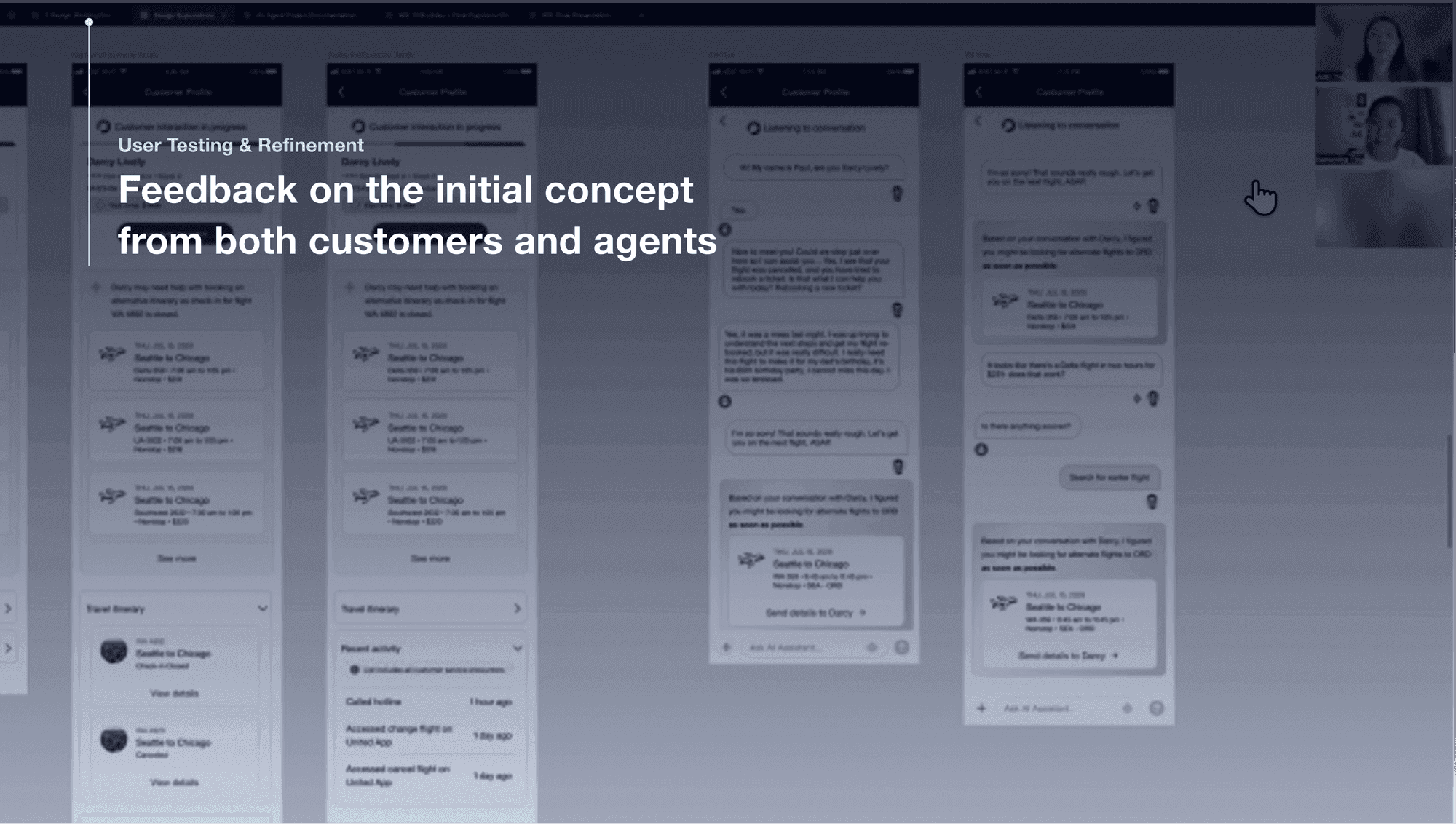
We ran moderated sessions with lobby agents and travelers to validate the AI workflow, AR pairing, and kiosk hand-off. Feedback drove iterations on timing, privacy, and the level of UI agents could comfortably parse under pressure.
Conclusion
AiR Agent reframes the lobby agent from a service-failure backstop into a proactive guide — empowered by AI, AR, and design built for the moments self-service can't reach. The future of airport service isn't human or machine; it's the right combination of both.